The Largest Ecuadorian Business Directory in the US
Where Dreams Thrive and Connections Grow.
Ecuador sits at the center of South America's Pacific coast, home to Kichwa-speaking indigenous nations, Afro-Ecuadorian communities on the coast, and a mestizo majority shaped by Spanish colonial history and Andean civilizations. From Quito's baroque churches to Guayaquil's port culture, Ecuadorian community life travels with its people to New York, Chicago, and Madrid, carried through ceviche recipes, Inti Raymi ceremonies, and pasillo ballads.
Community at a Glance
Fast facts about the Ecuadorian community in the United States

Diaspora
Large concentrations in New York City, Chicago, Madrid, and Barcelona.

Spanish
Kichwa is spoken by significant indigenous communities nationwide.

Inti Raymi
Día de los Difuntos, Fiestas de Quito in December.

Majority Roman Catholic
shaped by Spanish colonial-era missions.

Indigenous Andean spiritual practices coexist alongside Catholic observance.
Indigenous Andean spiritual practices coexist alongside Catholic observance.

Descended from the Cara
Cañari, and Inca imperial traditions.
Key Definitions
Quick guide to terms you'll hear in the Ecuadorian community

What is Inti Raymi, and why does it matter to Ecuadorian culture?
Inti Raymi is the Andean solstice festival honoring the sun god Inti, celebrated every June with indigenous dances, communal feasts, and ceremonial processions across highland communities.

What distinguishes Ecuadorian ceviche from other Latin American versions?
Ecuadorian ceviche is served in its own citrus-and-tomato broth, typically made with shrimp, and eaten with toasted corn or chifles rather than the Peruvian leche de tigre style.

What role does the Panama hat actually play in Ecuadorian traditions?
Despite its international name, the Panama hat originated in Montecristi, Ecuador, and is woven from toquilla straw. Master weavers there still produce the finest grades, recognized by UNESCO.
Cultural Heritage
Explore the traditions, arts, and history that define this community
Cuisine
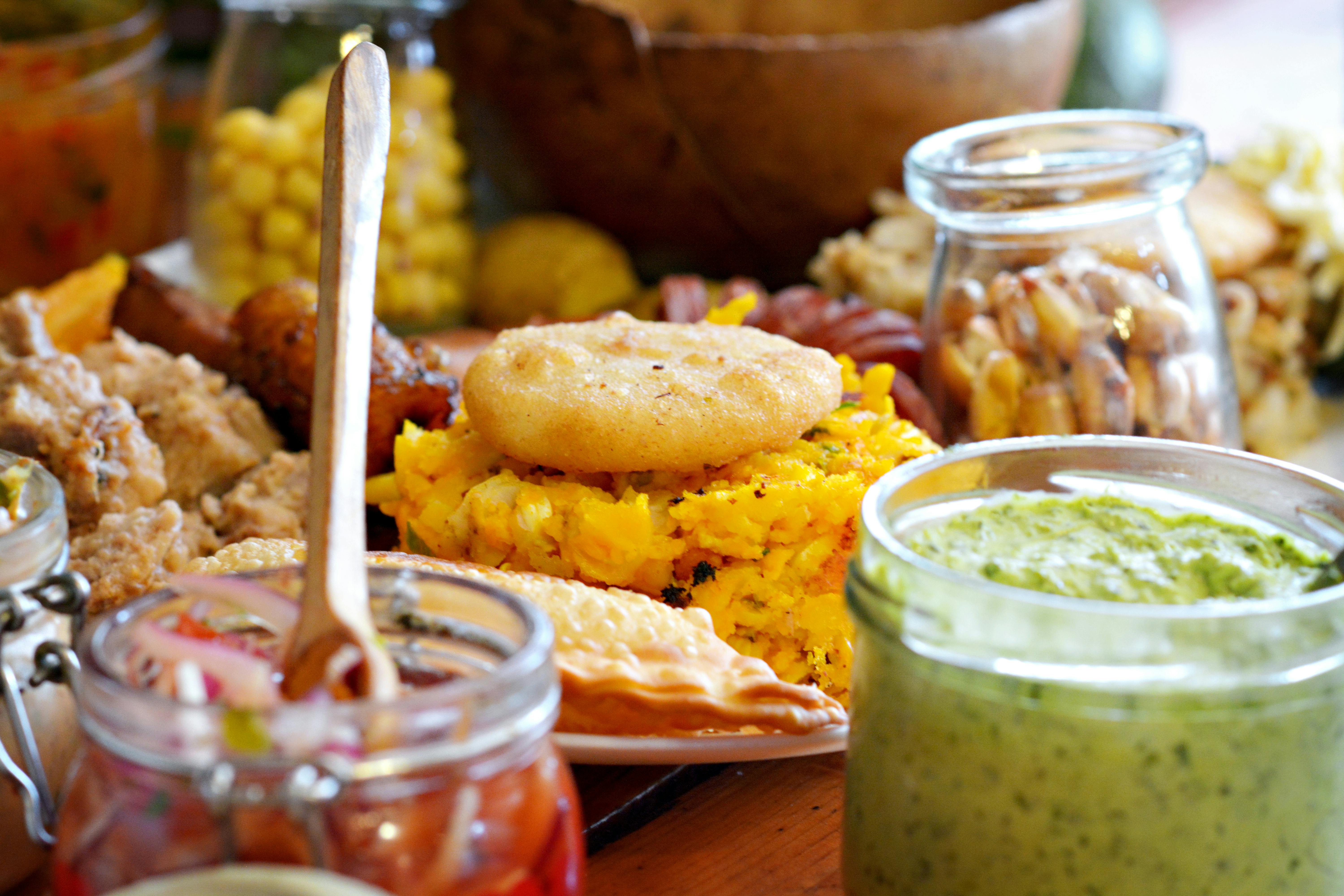
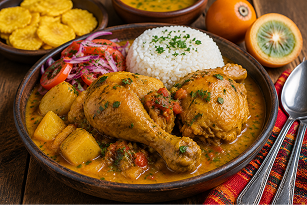
Ecuadorian food draws on coastal, Andean, and Amazonian ingredients in ways that rarely overlap with those of neighboring countries.
- • Seco de pollo, a slow-cooked chicken stew with beer and naranjilla, is a Sunday staple across Ecuadorian households.
- • Llapingachos are pan-fried potato-and-cheese patties served with chorizo, fried egg, and avocado at markets nationwide.
- • Fanesca, a thick soup of twelve grains and salt cod, appears exclusively during Holy Week each spring.
Arts & Music
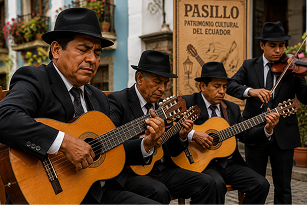
Pasillo, a melancholic string-based genre unique to Ecuador, defined the country's popular music throughout the twentieth century.
- • Pasillo composers like Julio Jaramillo recorded hundreds of songs that remain instantly recognizable within any Ecuadorian community gathering.
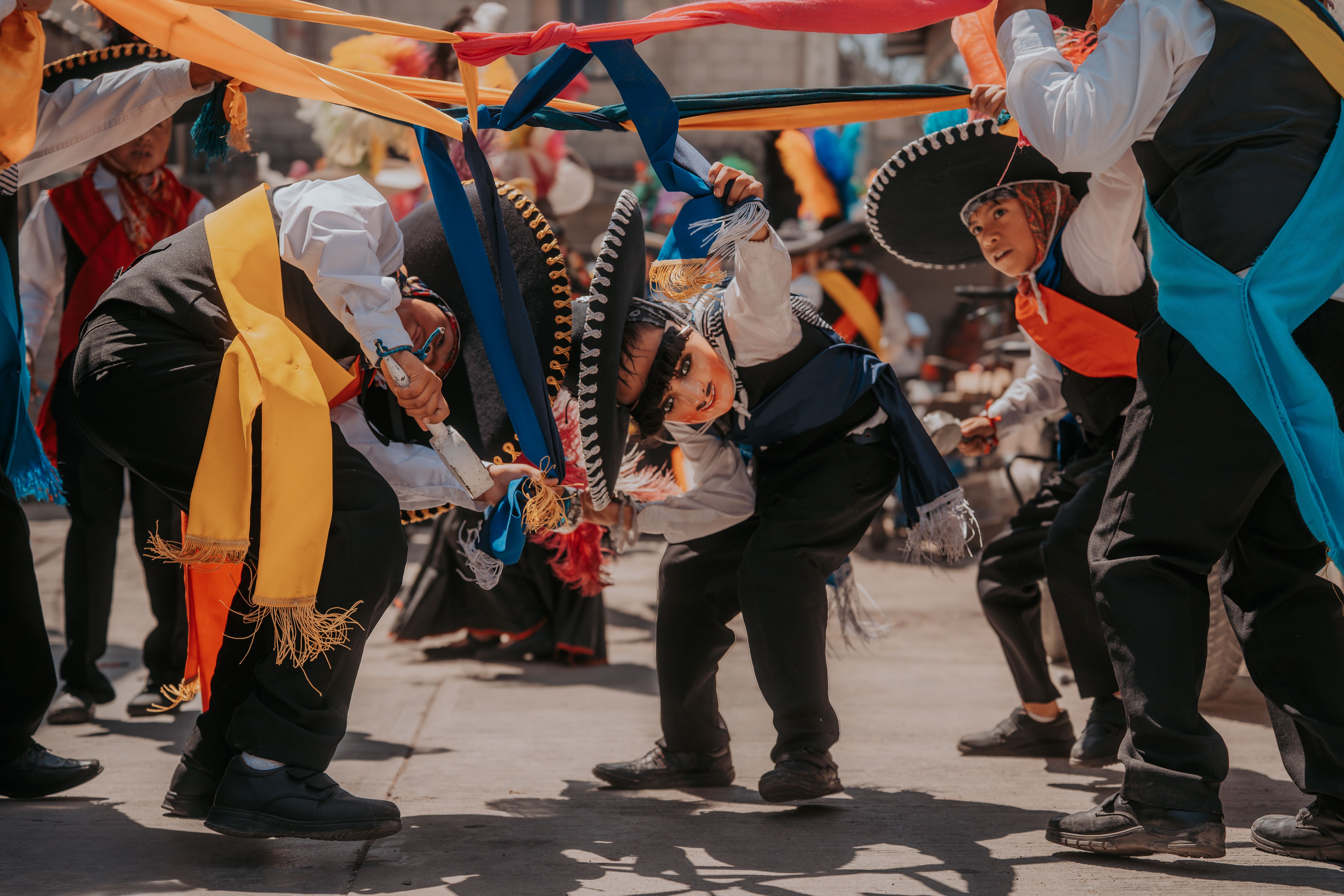
- • Sanjuanito is an upbeat indigenous wind-and-drum style played at highland festivals, especially during June solstice celebrations.
- • Coastal Afro-Ecuadorian communities in Esmeraldas province practice marimba music, which UNESCO recognizes as intangible cultural heritage.
Celebrations & Traditions
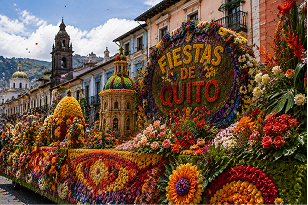
Ecuador's calendar blends Catholic feast days with pre-Columbian Andean ceremonies that were never fully replaced.
- • Fiestas de Quito in early December include street parades, chiva bus parties, and bullfighting events across the capital.
- • Día de los Difuntos on November 2 involves families gathering at cemeteries to share colada morada and guaguas de pan.
- • Carnaval in Guaranda and Ambato features water fights, flower floats, and regional food fairs, drawing thousands each February.
 Featured Businesses


 Featured Events
Long Beach Museum of Art
Traditional Spanish Tapas - Co...
Spanish Conversation Circles
Frequently Asked Questions
Get quick answers to common questions—about joining, listing your business, attending events, using the app, or navigating the Pulse. We’re here to help you connect with ease.
Business Directory
Ecuador Business Listings









Related Blog Topics