
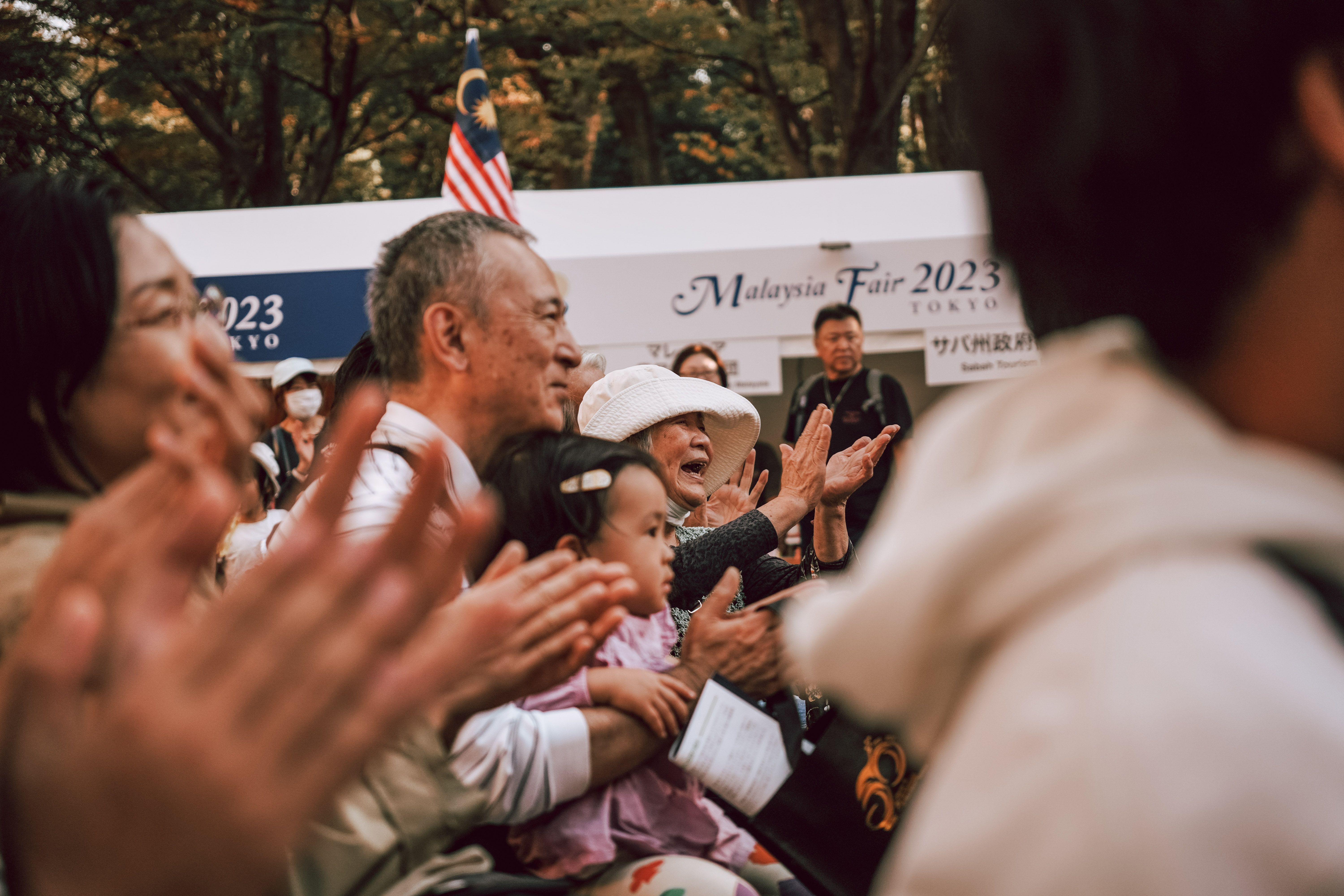

There is a particular feeling that settles over you when you step into a cultural festival. The air carries something familiar: the sizzle of food on a grill, laughter threading through music, and the warm pull of a community gathered in celebration. Across the United States, cultural festivals hosted by Filipino, Indian, Persian, and Latino communities may differ in language, costume, and cuisine, but they share a common emotional architecture. They are built from the same instinct: to preserve what matters, share it with others, and pass it forward.
The Table That Brings Everyone Together
Food is never just food at a cultural celebration. It is memory and identity served on a plate. At Filipino festivals across California, Washington, and Illinois, vendors line up with trays of lechon, bibingka, and pancit, dishes that take hours to prepare and carry generations of technique. Indian summer melas overflow with chaat stations, biryani pots, and fresh mango lassi. Persian community festivals offer saffron rice, koofteh, and herb-laden dishes rooted in thousands of years of culinary tradition. Latino celebrations fill the air with the scent of tamales, elotes, and slow-cooked meats.

Welcome to United Tribes
Where Diverse Cultures Come Alive
Join Your Tribe
Connect with your people
Discover Events
Watch parties & festivals
Find Tribe Businesses
Restaurants, markets & more
Earn Crown Credits
Get rewarded for engaging
What unites these tables is the labor of love behind them. Many vendors are home cooks, small business owners, or community volunteers, people for whom the food booth is an act of cultural pride. The rise of culturally specific food markets across the U.S. reflects how deeply diaspora communities have woven their culinary identities into the American landscape, season after season.
Music as a Living Archive
Folk music at cultural festivals is a living archive performed. Filipino festivals often feature rondalla ensembles and folk dance troupes performing tinikling, the bamboo pole dance that demands both precision and joy. Indian celebrations pulsate with Bollywood choreography alongside classical Bharatanatyam and bhangra performances that pull aunties and uncles onto the dance floor alongside the youth.
Persian festivals carry their own musical soul. The oud, santur, and daf create soundscapes that bridge ancient Persia with the Iranian-American present. Preserving these sounds in American cities is a community act, one explored in depth through Iranian-American music and its roots in U.S. cultural spaces. Latino festivals bring cumbia, mariachi, salsa, and regional Mexican genres into parks and fairgrounds, turning open-air spaces into dance floors where grandmothers teach grandchildren the steps they learned back home.
Family as the Festival's Foundation
At every multicultural celebration, the most consistent presence is the family unit: extended, intergenerational, and loud in the best possible way. Cultural festivals are not ticketed entertainment events in the way a concert might be. They are organized reunions, annual anchors for communities that otherwise scatter across cities and suburbs throughout the year.
Filipino families treat festivals like Santacruzan or Flores de Mayo as extended family reunions in public form. Indian families bring grandparents who may rarely leave the house, knowing the festival is a space where their language, food, and reference points are the default and not the exception. Persian Nowruz celebrations, and the broader cultural festivals that extend from that spirit of renewal, are deeply family-oriented occasions where community traditions are enacted collectively rather than individually. For Latino families, a summer festival might be the annual moment when cousins from different states converge, sharing food prepared from handwritten recipe cards.
Artisan Markets and Cultural Commerce
Beyond food and music, artisan markets form a crucial third layer of the festival experience. These market spaces are where community participation becomes entrepreneurship. Filipino festivals feature handwoven textiles, barong Tagalog tailors, and Filipino-authored books. Indian melas offer silk scarves, mehndi artists, and jewelry from regional Indian craft traditions. Persian bazaar sections display hand-painted ceramics, calligraphy artwork, and intricate rugs. Latino markets carry embroidered blouses, papel picado, and artisan goods tied to specific regional Mexican or Central American traditions.
These markets create visibility and revenue. For many small business owners and artisans, a booth at a cultural festival is their most direct channel to their own community. It reflects a broader pattern: the way Filipino, Persian, Hispanic, and Indian communities build shared economic and cultural spaces in America through commerce as much as celebration.
The Language of Belonging
Perhaps the most powerful thing a cultural festival does is suspend the experience of being a minority. For one afternoon, or one weekend, the sights, sounds, and flavors of home become the majority experience. Children see their heritage reflected publicly and proudly. Elders hear their mother tongue spoken without translation. First-generation Americans find a space where their hyphenated identity does not require explanation.
This is the quiet function of every food booth, folk dance performance, and artisan table: they collectively build a space where belonging is not earned but assumed. Persian festivals in the U.S. illustrate this beautifully, showing how even communities navigating complex political and social landscapes can create joyful, grounded spaces of cultural affirmation.
Where Every Culture Finds Its Rhythm
From the food stalls to the folk performances, cultural festivals across Filipino, Indian, Persian, and Latino communities share a common purpose that transcends any single heritage. They are acts of collective memory, repeated annually to remind both participants and onlookers that identity is worth celebrating out loud. The dishes, dances, and market goods are living practices kept vital by communities who understand that preservation requires presence.
For diaspora communities navigating life in multicultural America, these festivals are seasonal gatherings that prove that cultural traditions do not fade when transplanted. Instead, they adapt, strengthen, and find new roots. Every family that packs up a folding table and sets up a food booth is contributing to something larger than themselves.
Curious about which cultural festivals, businesses, and community events are happening near you? Browse the United Tribes community hub to connect with the diverse cultural celebrations shaping American life today.


