

When Football and Food Unite on the Ecuadorian Coast
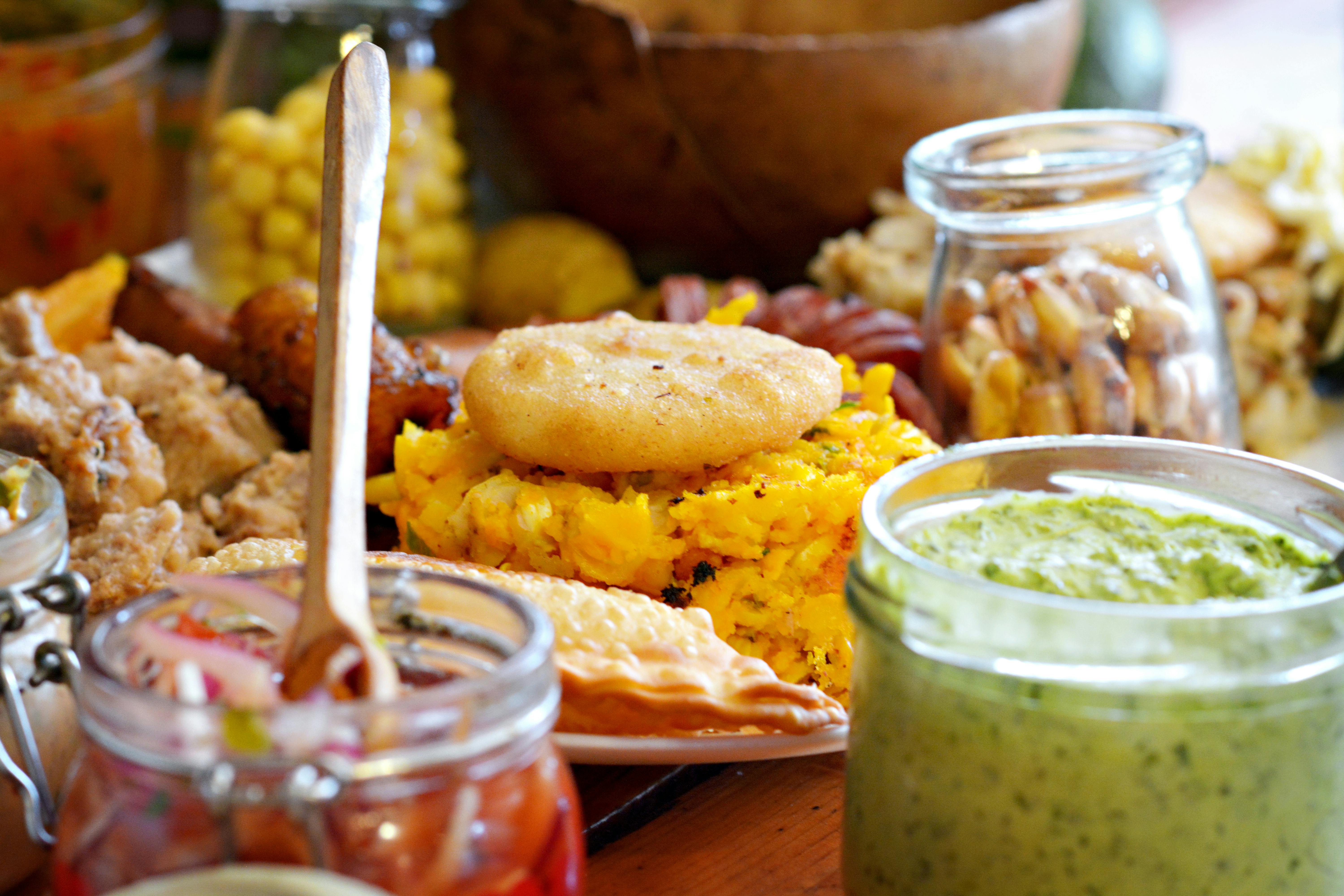
There is something electric about the hours before an Ecuador football match. Families gather, flags go up, and kitchens come alive with the kind of coastal cooking that has sustained communities for generations. Ecuador's football food culture is a celebration of identity, and a way of saying, *we are here, and we are proud,* all while supporting their football team. From the bustling fish markets of Guayaquil to the seafood stalls of Manta, match day in Ecuador carries the unmistakable scent of citrus, fresh seafood, and slow-simmered broth.

Welcome to United Tribes
Where Ecuadorian Culture Comes Alive
Join Your Tribe
Connect with your people
Discover Events
Watch parties & festivals
Find Ecuadorian Businesses
Restaurants, markets & more
Earn Crown Credits
Get rewarded for engaging
Whether you are watching the match from a stadium seat, a neighborhood cantina, or your own living room, the food on the table tells a story as rich as the game itself.
Ceviche: Ecuador's Coastal Crown Jewel
No conversation about ceviche and Ecuador soccer culture is complete without diving into the dish that defines the coast. Ecuadorian ceviche is distinct from its Peruvian counterpart — cooked rather than raw, and finished with a generous pour of the marinating liquid right in the bowl. Shrimp ceviche, or *ceviche de camarón*, reigns supreme during match gatherings.
The key components are simple and bold:
- Fresh shrimp, cooked and chilled
- Red onion, thinly sliced and marinated in lime juice
- Tomato, cilantro, and a splash of orange juice for sweetness
- Ají amarillo or hot sauce for heat
- Served alongside *canguil* (popcorn) and *chifles* (fried plantain chips)
The combination of tangy citrus, fresh herbs, and crispy sides makes it the perfect match day food — light enough to eat before the tension peaks, satisfying enough to keep you going through extra time. Vendors across coastal cities serve cups of ceviche to fans streaming toward stadiums, and the energy is contagious.
Encebollado: The Soup That Starts Every Game Day Right
If ceviche is Ecuador's crown jewel, encebollado is its heartbeat. This fish soup is so deeply woven into Ecuadorians' daily life that it is often called the national hangover cure — but its true power lies in its role as a pre-match ritual. Made with fresh albacore tuna, yuca, and a mountain of pickled red onions (*curtido de cebolla*), encebollado is warming, deeply flavored, and endlessly comforting.
The base is built from:
- Slow-cooked tomato and onion sofrito
- Fresh tuna, broken into generous chunks
- Boiled yuca as the starchy anchor
- Cumin, coriander, and fresh cilantro
- Topped with *curtido* and served with tostadas or bread
On match day, encebollado is typically eaten in the morning or early afternoon — a grounding meal before the emotions of the game take over. Many Ecuadorian families in the U.S. diaspora recreate this dish at home to stay connected to the coast, even when thousands of miles away.
Bolón de Verde: The Fist-Sized Football of the Kitchen
Perhaps the most playful match-day food, bolón de verde is a fist-sized ball of mashed green plantain, stuffed with cheese, pork, or chicharrón. Its round shape makes it the unofficial food mascot of Ecuador football culture, and its bold, salty flavor makes it impossible to eat just one.
Bolón is typically prepared fresh and eaten hot, served with a fried egg or a cup of coffee in the early hours before afternoon kickoff. The preparation involves:
1. Boiling green plantains until just tender
2. Mashing with butter or lard and salt until smooth
3. Filling with cheese or chicharrón
4. Shaping into firm balls by hand
5. Pan-frying or baking until a slight crust forms
The result is dense, satisfying, and completely addictive — exactly what you need before ninety minutes of emotional football.
Fritada and Llapingachos: Highlands Meet Coast on Match Day
While Ecuador's coast dominates match-day Ecuadorian cuisine, the highlands contribute their own beloved dishes to the pre-game spread. Fritada — slow-cooked pork braised in chicha and spices until tender — and llapingachos, crispy pan-fried potato cakes stuffed with cheese, are staples that travel from the Andes to coastal parties without losing a bit of their appeal.
Together, they represent something important: Ecuador's culinary identity is layered, regional, and deeply personal. A match day spread that includes both coastal ceviche and highland llapingachos reflects the true breadth of Ecuadorian culture — a reminder that supporting the national team means celebrating every corner of the country.
Drinks That Carry the Colors
No match day is complete without canelazos, a warm, cinnamon-spiced aguardiente cocktail that has warmed Ecuadorian celebrations for centuries. For non-alcoholic options, colada morada — a thick, spiced purple corn drink — and fresh-squeezed *naranjilla* juice bring vibrant color and natural sweetness to the table.
These drinks are as culturally significant as the dishes beside them, tying the table together into a full sensory experience of what it means to be Ecuadorian on a big game day.
Coastal Flavors, One Team, One Table
Before the whistle blows and the stadium erupts, there is a quiet and beautiful moment in Ecuadorian households and gathering spaces where food becomes the first act of celebration. From the sharp citrus lift of ceviche de camarón to the grounding warmth of encebollado, every dish on the match day table carries history, pride, and community. These recipes are expressions of identity that travel with the diaspora wherever they go.
Sharing these flavors before a match is a way of honoring where you come from while cheering for where you belong. Whether you are cooking for two or feeding a full house of fans, Ecuadorian cuisine turns every game into something larger than football — it becomes a gathering of culture, memory, and belonging.
Visit United Tribes today to learn more about Ecuadorian culture and community, and discover the businesses, events, and stories that keep this vibrant heritage alive across the United States.


