
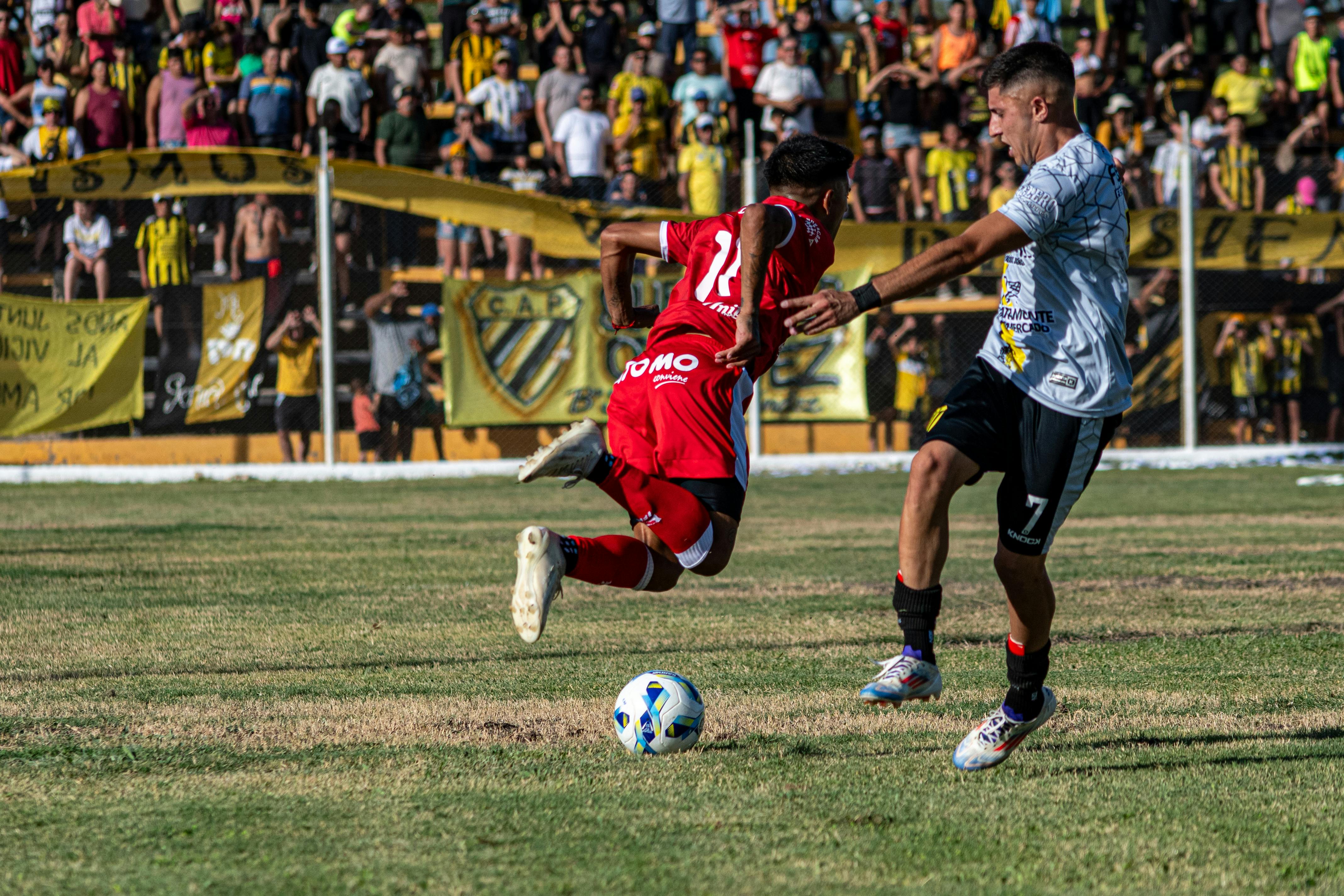

Football Is More Than a Game for Ecuadorians
When the World Cup arrives, something extraordinary happens in Ecuadorian households, restaurants, and community centers across the United States. Flags appear in windows. The smell of fritada and llapingachos drifts from kitchens. Voices rise in unison, chanting "¡Vamos Ecuador!" Football for Ecuador fans is a living expression of national identity, family pride, and collective joy that’s deeply rooted in their culture. For diaspora communities scattered from Queens to Los Angeles, the World Cup becomes a powerful moment of cultural reconnection.
The Deep Roots of Football in Ecuador
Ecuador's love affair with football runs deep. La Tri, as the national team is affectionately known, made its first FIFA World Cup appearance in 2002 and has since captured the hearts of an entire generation. That historic debut in Korea/Japan ignited a passion that never faded, and subsequent appearances in 2006 and 2014 only deepened it.

Welcome to United Tribes
Where Ecuadorian Culture Comes Alive
Join Your Tribe
Connect with your people
Discover Events
Watch parties & festivals
Find Ecuadorian Businesses
Restaurants, markets & more
Earn Crown Credits
Get rewarded for engaging
For many Ecuadorians, football is tied to memory: watching matches with grandparents in Guayaquil, listening to radio commentary in Quito, or crowding around a small television in a rural community. When those same people build new lives in the United States, the World Cup becomes one of the most emotionally resonant ways to stay connected to home.
Watch Parties as Cultural Gathering Spaces
One of the most defining features of Ecuador fans' World Cup traditions in the U.S. is the communal watch party. These events are rarely just about the game. They are full cultural experiences where food, music, and language come together under one roof.
Ecuadorian-owned restaurants often transform entirely during tournament days. Tables are rearranged to face projection screens. Menus feature crowd favorites like:
- Seco de papa (chicken stew with beer and spices)
- Ceviche de camarón (shrimp ceviche with lime and pickled onion)
- Bolones de verde (fried green plantain balls stuffed with cheese or pork)
- Chicha morada and local Ecuadorian beers
The atmosphere is charged with emotion. Strangers become family when La Tri scores. Tears are real when they lose. These spaces are entertainment venues that allow Ecuadorians to feel at home, even thousands of miles away.
The Role of Ecuadorian Businesses in World Cup Celebrations
Ecuadorian businesses across major U.S. cities play a central role in organizing and sustaining Ecuadorian football culture diaspora celebrations. In cities like Chicago, Miami, New York, and Atlanta, all of which are home to significant Ecuadorian populations, small business owners become cultural anchors during the World Cup.
Grocery stores stock Ecuadorian hot sauces, snacks, and specialty drinks that are otherwise hard to find. Bakeries produce specialty items in yellow, blue, and red — the colors of the Ecuadorian flag. Some restaurants partner with local community organizations to host viewing events that also raise funds for diaspora causes or charitable work back in Ecuador.
These businesses contribute to the economy and are cultural keepers, preserving the tastes, sounds, and experiences that tie a community to its roots.
Neighborhood Street Culture and Fan Traditions
In densely Ecuadorian neighborhoods, World Cup match days transform public spaces. Streets buzz with excitement. Cars decorated with flags cruise through the neighborhood. Children wear miniature La Tri jerseys. Vendors set up informal stalls selling team merchandise, snacks, and drinks.
Face painting in Ecuador's national colors has become a beloved ritual, particularly among younger generations born or raised in the U.S. These second-generation Ecuadorians may not have visited Ecuador. Still, they wear the yellow jersey with fierce pride that’s passed down through stories, food, and exactly these kinds of celebrations.
Social media amplifies the energy. TikTok videos of family watch parties go viral within the community. Instagram reels of restaurants packed with cheering fans circulate across diaspora networks, creating a digital thread that connects Ecuadorians coast to coast.
Music, Dance, and Cultural Expression During Matches
Football celebrations in Ecuadorian communities rarely happen without music. Before and after matches, traditional rhythms like pasillo, bomba del Chota, and cumbia fill the air. Some community events incorporate live performances, turning a watch party into a full cultural festival.
This fusion of sport and cultural expression is particularly meaningful for diaspora families. It signals to younger generations that Ecuadorian identity is vibrant, joyful, and worth celebrating, not just during heritage months, but in everyday moments like cheering on a football team together.
Intergenerational Connection Through Football
Perhaps the most powerful aspect of World Cup celebrations within the Ecuadorian diaspora is what happens across generations. Grandparents share stories of watching Ecuador qualify for the first time. Parents explain the significance of certain players to their children. Young people translate chants for older relatives who haven't yet learned English.
Football becomes a shared language when other languages fail or feel unfamiliar. It bridges the gap between those who remember Ecuador vividly and those who know it only through family stories. In this way, Ecuador's World Cup traditions are about inheritance, identity, and love.
The World Cup Unites Ecuadorian Hearts
The World Cup is one of the most powerful cultural moments for Ecuadorian diaspora communities in the United States. From the food served at packed restaurant watch parties to the flag-draped streets of Ecuadorian neighborhoods, every celebration is a declaration of identity and belonging. Ecuador's football culture diaspora traditions remind the community, no matter how far from home, that they carry their roots with them everywhere they go.
These celebrations also reflect something universal about diaspora life: the hunger to belong, to be seen, and to honor where you come from. Whether La Tri wins or loses, the real victory is in the gathering itself, from the shared meals, the collective cheer, to the pride that fills every room.
Visit United Tribes today to learn more about Ecuadorian culture and community, and discover local businesses, upcoming cultural events, and the stories of a people who celebrate beautifully, no matter the score.


