
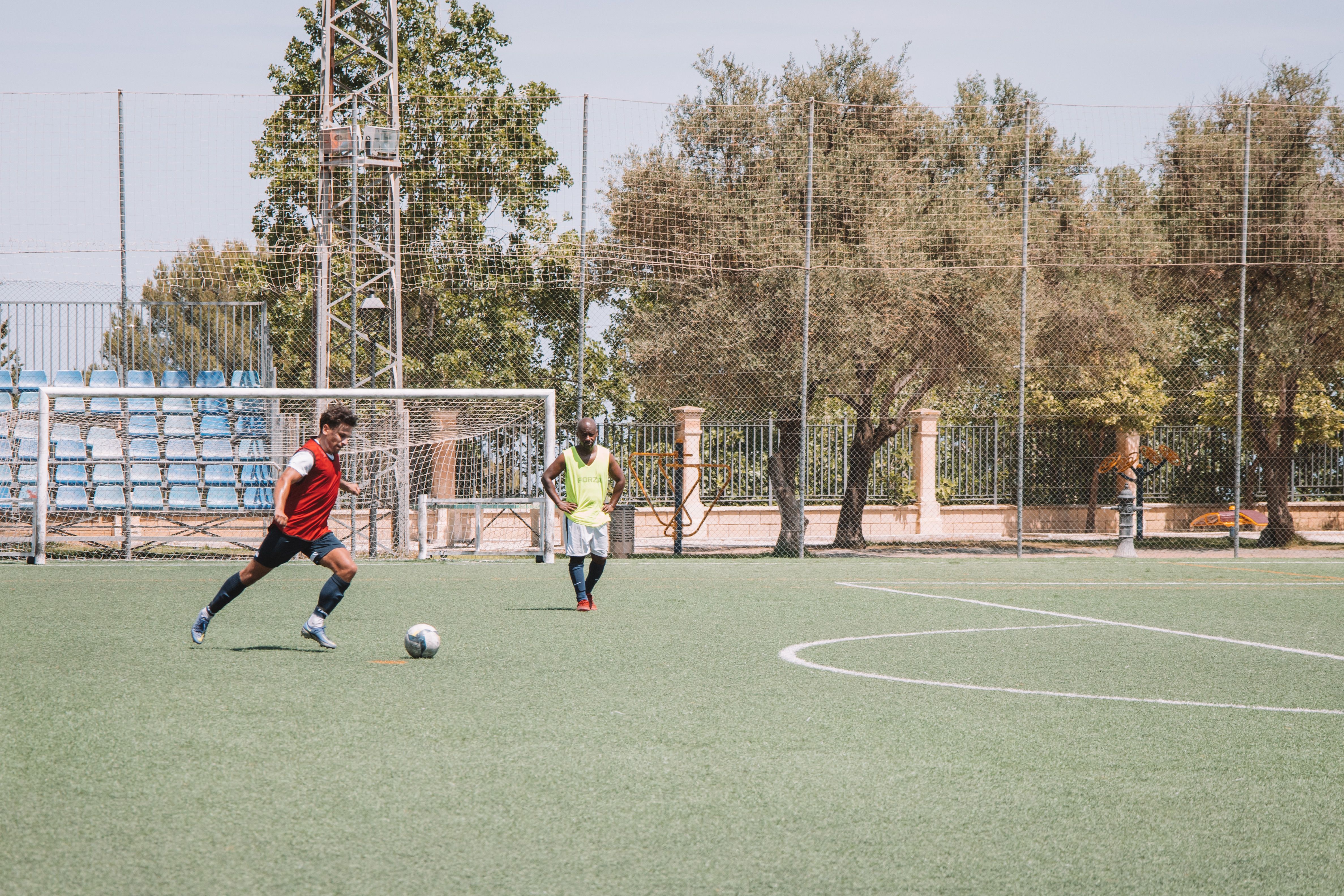

When La Roja stepped onto pitches across the United States, Canada, and Mexico during the 2026 FIFA World Cup, they carried more than a national crest on their jerseys. Spain's tournament presence became an unintended but powerful statement about Spanish identity abroad, one that challenged outdated perceptions, revealed regional complexity, and reframed how American audiences engage with a country they thought they already knew.
Beyond Bullfights and Flamenco
For decades, American popular culture reduced Spain to a handful of picturesque exports: flamenco dancers, bullfights, sangria, and sun-drenched coastlines. These images, while rooted in real traditions, flattened a nation of remarkable regional depth into something decorative and distant.

Welcome to United Tribes
Where Spanish Culture Comes Alive
Join Your Tribe
Connect with your people
Discover Events
Watch parties & festivals
Find Spanish Businesses
Restaurants, markets & more
Earn Crown Credits
Get rewarded for engaging
FIFA 2026 disrupted that flatness. As Spanish players became household names in American sports conversations, viewers began noticing that "Spain" wasn't monolithic. Players hailed from Galicia, the Basque Country, Catalonia, Andalusia, and Madrid — regions with distinct languages, cuisines, and cultural identities. La Roja's squad composition quietly told a story of a modern, pluralistic nation, one that American audiences rarely encountered through tourism branding or Hollywood depictions.
The Playing Style as Cultural Expression
Spain's football philosophy has long been an extension of national character. The *tiki-taka* era of the late 2000s projected patience, collective intelligence, and precision — values the Spanish game had cultivated through decades of club-level excellence. By 2026, that style had evolved. Spain played with greater verticality and individual flair, reflecting a generation of players raised in an era of global football influence.
American sports audiences, increasingly literate in global football thanks to MLS growth and Premier League broadcasts, recognized this evolution. The team's creativity under pressure reads as distinctly modern and distinctly Spanish. It reinforced Spain's World Cup legacy not just as a past champion but as a country that continuously reinvents competitive excellence. This connects to broader conversations about how global sporting cultures are reshaping American sports identity.
Regional Identity on a World Stage
One of the most underappreciated dimensions of Spain's 2026 presence was how it brought regional identity into mainstream American awareness. When commentators discussed players' club allegiances, like Real Madrid versus Barcelona and Athletic Bilbao's Basque-only policy, American viewers got a crash course in Spain's internal cultural tensions and rich regional pride.
The Basque Country, with its pre-Roman language and fiercely independent identity, is nothing like Seville's Andalusian traditions. Catalonia's modernist architecture and culinary innovation bear little resemblance to the plains of Castile. Spain's cultural image internationally has often glossed over these distinctions, but the World Cup spotlight forced a more textured conversation.
For Spanish communities living in the United States, this was meaningful. Many diaspora members identify not just as "Spanish" but as Basque, Catalan, or Galician first, and seeing that complexity acknowledged on an international stage reflected their own lived sense of identity.
Language, Soft Power, and American Perception
Spain occupies a curious position in American cultural consciousness. Spanish-language media and cultural influence in the U.S. is enormous, but it flows predominantly from Latin American communities. Spain's own linguistic and cultural contributions often get absorbed into a broader "Hispanic" category that doesn't distinguish Castilian Spanish from Mexican Spanish or Spanish cinema from Colombian literature.
FIFA 2026 offered a corrective moment. Spanish broadcasters, Spanish-language commentary with Iberian accents, and player interviews conducted in regional dialects gave American audiences an audible reminder that Spain is its own distinct cultural entity. This distinction matters — for accuracy, for respect, and for understanding the genuine diversity within Spanish-speaking cultures. Those interested in how representation shapes cultural perception can explore how Latino voices navigate media visibility in the..S..
Entrepreneurship and Cultural Visibility
Spain's strong tournament showing had downstream effects beyond television ratings. In cities with established Spanish communities — New York, Miami, Los Angeles, Chicago — Spanish restaurants, cultural organizations, and businesses reported heightened interest and foot traffic during the tournament. La Roja's international presence served as soft power, making Spanish heritage feel relevant and present in Americans' daily lives.
Spanish entrepreneurs in the U.S. often operate in the shadow of larger Latin American diaspora communities. Football visibility gave them a moment of cultural currency — a shared reference point with American neighbors who might otherwise have little context for Spanish cultural identity. This mirrors the broader pattern of immigrant communities using cultural pride to build presence and economic visibility across American cities.
What the Moment Reveals
Spain's FIFA 2026 run produced a cultural impression. For American audiences, it offered a more sophisticated encounter with a country that deserves to be understood on its own terms: regionally diverse, linguistically proud, creatively driven, and fiercely competitive.
Spain's cultural image abroad benefits when the country is seen whole rather than through a postcard lens. The World Cup, hosted partly on American soil, created that opportunity in real time.
Spain's Story, Still Being Written
Spain's presence at FIFA 2026 was a reminder that international sporting events carry cultural weight that extends far beyond the final score. La Roja's run prompted American audiences to look more carefully at a country they had assumed they understood, and to discover layers of regional identity, linguistic specificity, and creative modernity that simple stereotypes had long obscured.
For Spanish communities in the United States, this visibility matters. It validates the complexity of their heritage in a cultural landscape that often reduces Spain to background scenery. The tournament became a platform for Spanish identity abroad to assert itself with clarity and pride.
Explore the Spanish tribe and connect with the businesses, stories, and community members keeping that identity alive in America — discover what's happening in the Spanish community on United Tribes.


