The Largest Spanish Business Directory in the US
Where Dreams Thrive and Connections Grow.
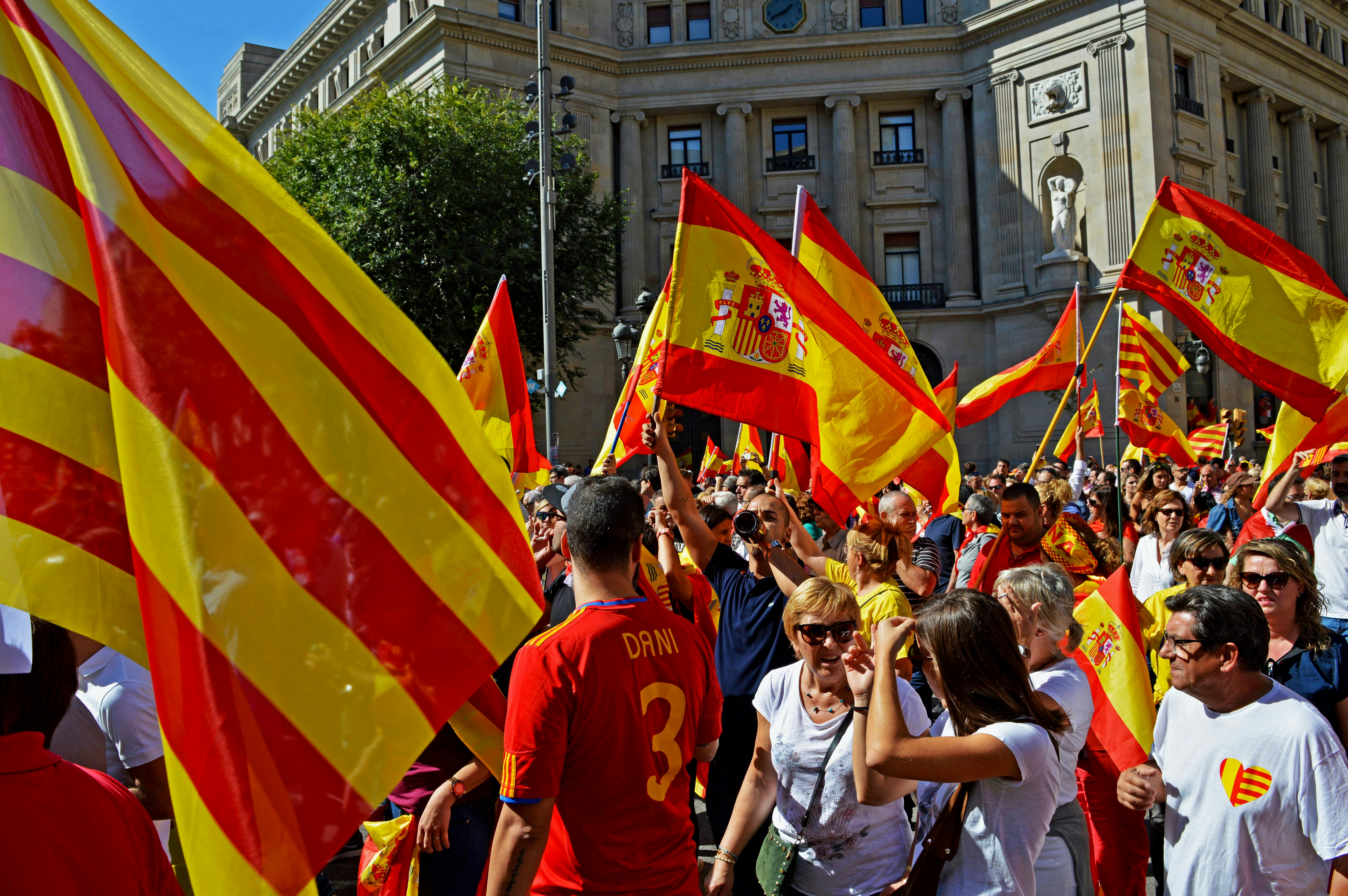
Spain's history as a crossroads of Roman, Visigoth, and Moorish civilizations shaped a culture that operates through fierce regional identities. Castilian Spanish is the national tongue, but Catalan, Basque, and Galician co-exist as official regional languages. Spanish communities across the Americas and Europe carry forward distinct culinary practices, Catholic feast days, and performance arts that trace directly to Iberian roots.
Community at a Glance
Fast facts about the Spanish community in the United States

Diaspora
Large communities in Mexico, Argentina, the United States, and France

Castilian Spanish
regional co-official languages include Catalan, Basque, Galician

Semana Santa
La Tomatina, San Fermín, Día de la Hispanidad

Predominantly Roman Catholic
shaping calendar and public ceremony

Growing Muslim and secular populations
with historic Sephardic Jewish heritage

Iberian
Roman, Visigoth, and Moorish civilizations unified the Castilian crown from 1479
Key Definitions
Quick guide to terms you'll hear in the Spanish community

What is Semana Santa, and why does it matter to Spanish culture?
Semana Santa is Holy Week, marked by processions of pasos, elaborately carved floats carried through city streets by brotherhoods called cofradías, most famously in Seville and Málaga.

What distinguishes Flamenco from other Spanish performing arts?
Flamenco is an Andalusian art form combining cante (song), toque (guitar), and baile (dance), rooted in Romani, Moorish, and Andalusian folk traditions, recognized by UNESCO since 2010.

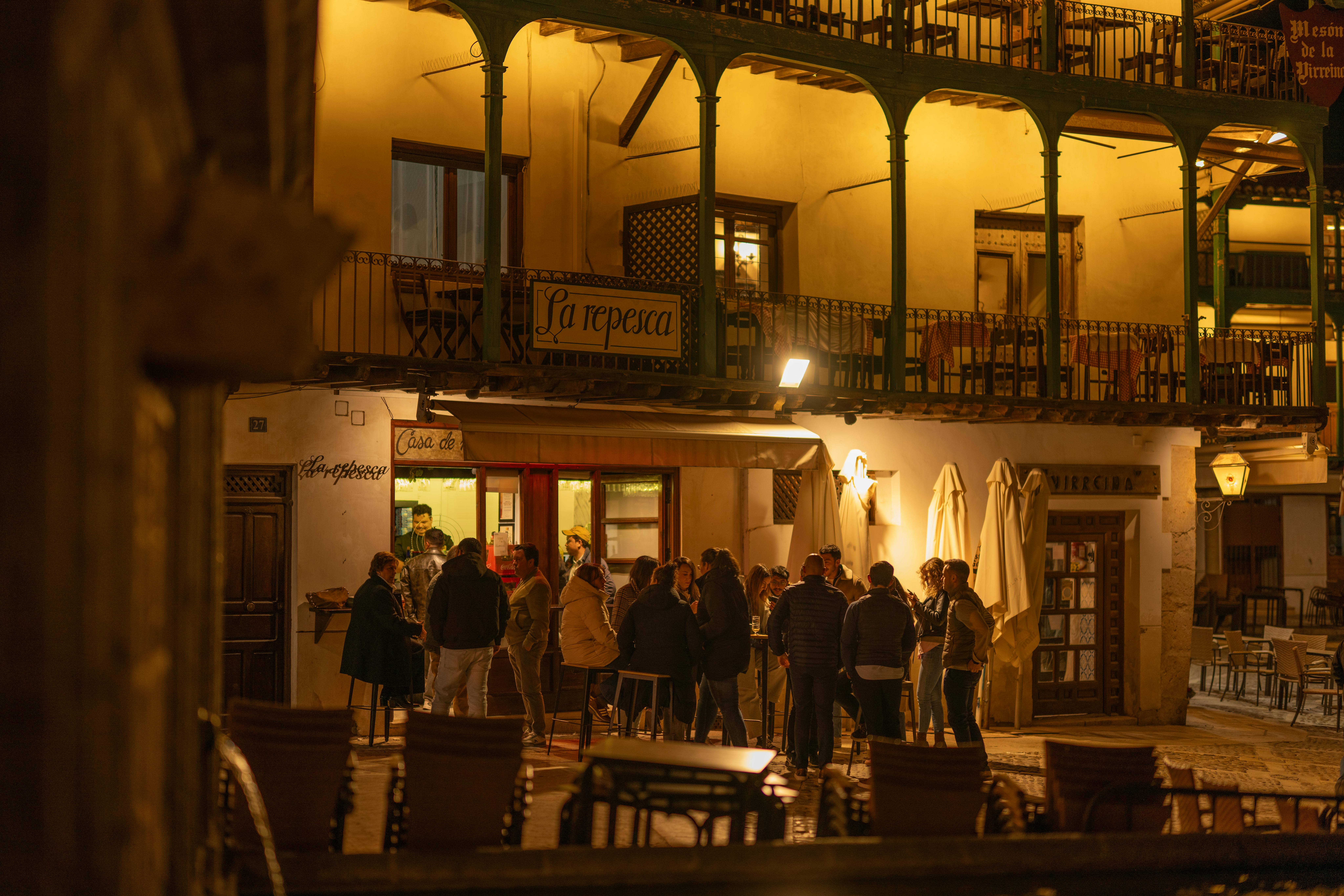
What is the significance of tapas in Spanish food culture?
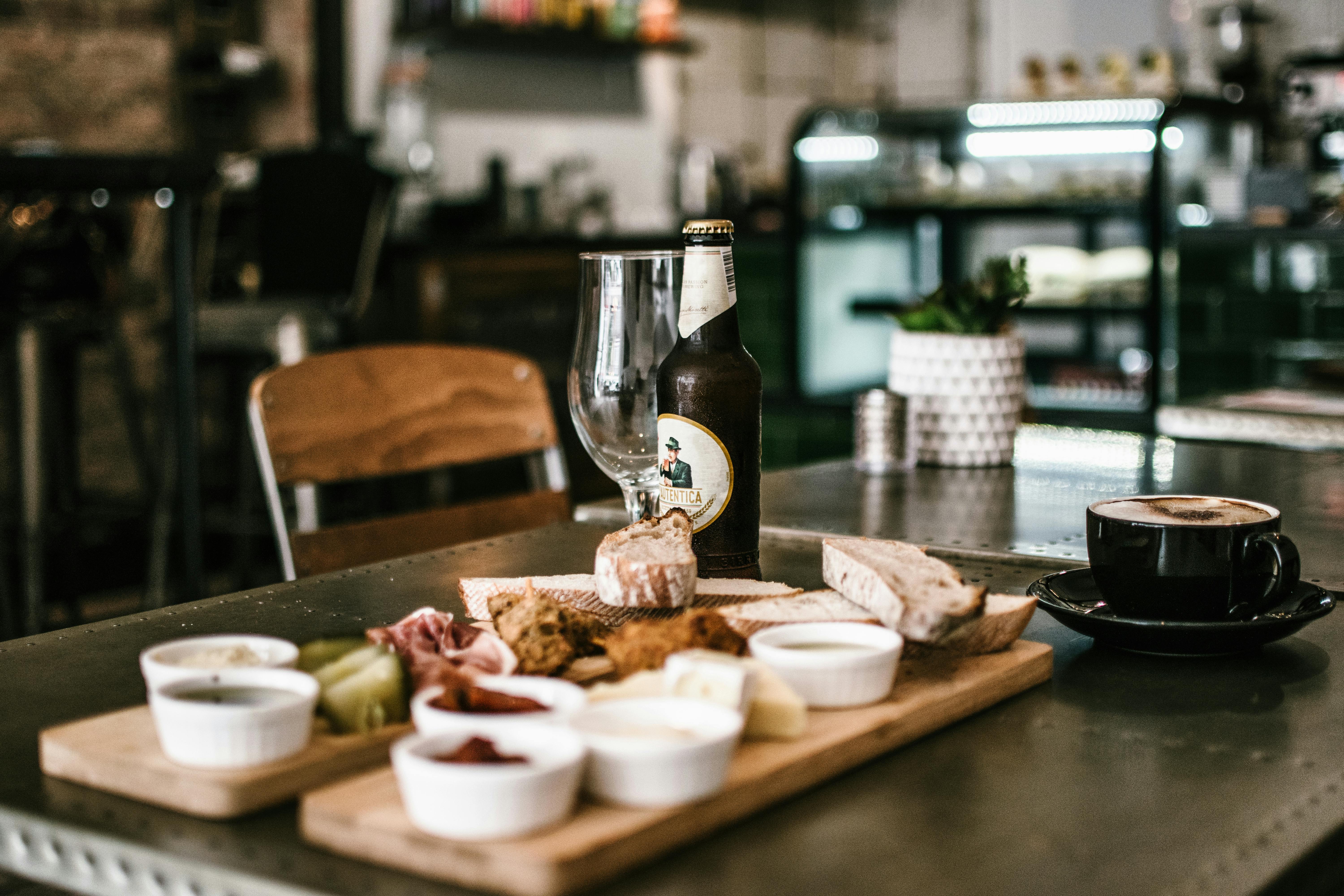
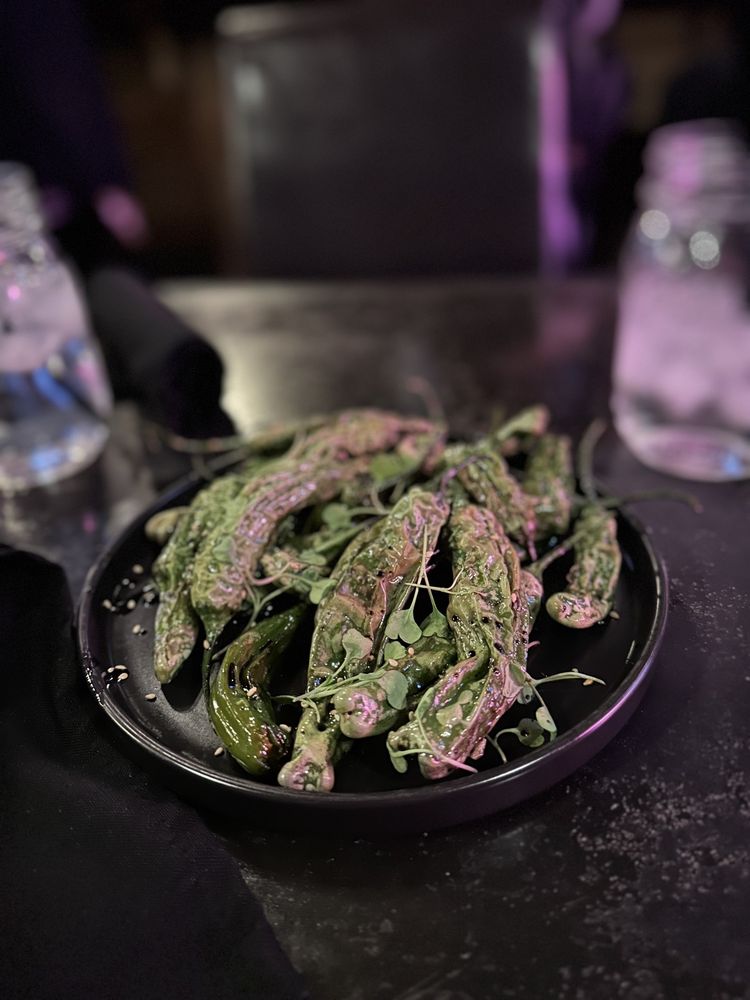
Tapas are small shared dishes, originally served free with drinks in Andalusia, now central to a social eating culture called el tapas,o practiced across Spain daily.
Cultural Heritage
Explore the traditions, arts, and history that define this community
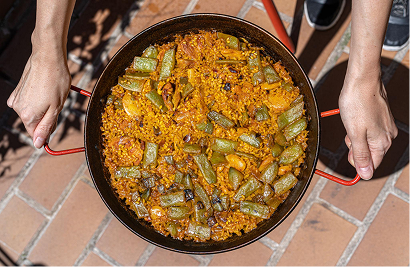
Cuisine
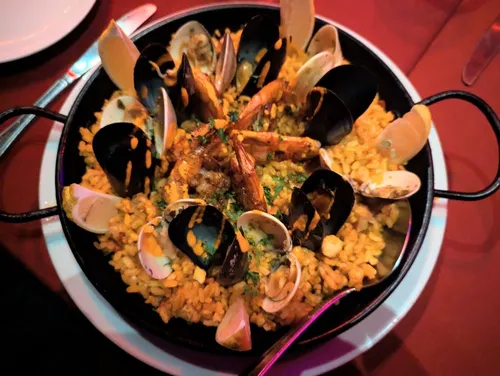
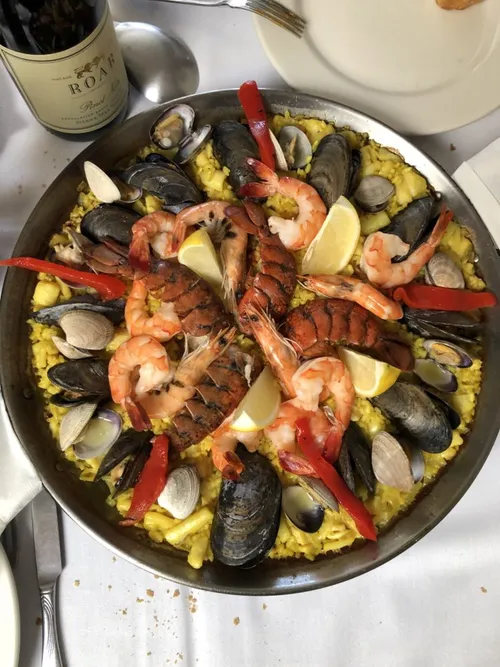
Spanish food is built around olive oil, cured pork, legumes, and fresh seafood,d with strong regional variation.
- • Jamón ibérico de bellota is dry-cured ham from acorn-fed Iberian pigs, aged up to four years.
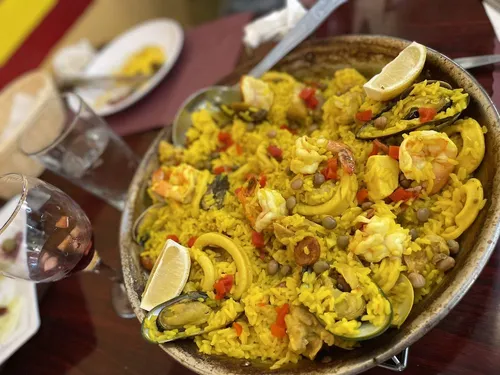
- • Paella valenciana is a rice dish cooked with rabbit, chicken, and green beans, not seafood.
- • Gazpacho is a cold, blended tomato soup from Andalusia, widely consumed during the summer months.
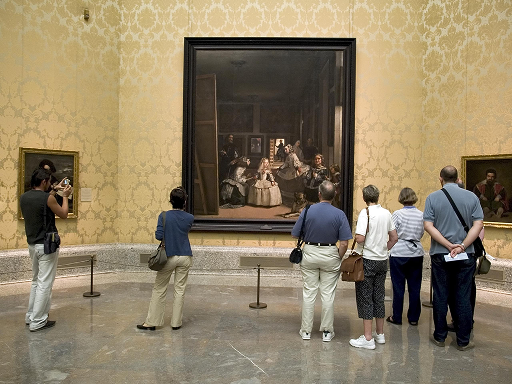
Arts & Music
Spain's artistic output spans Golden Age painting, modern architecture, and centuries of guitar-centered folk music.
- • Diego Velázquez painted Las Meninas in 1656, now considered a cornerstone of Western portraiture.
- • Antoni Gaudí's Sagrada Família in Barcelona has been under continuous construction since 1882
- • The Spanish guitar tradition includes classical forms and flamenco palo styles such as soleá and bulerías
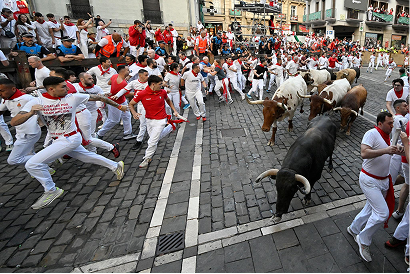
Celebrations & Traditions
Spanish festivals are tied to the Catholic liturgical calendar, harvest cycles, and local patron saints.
- • San Fermín in Pamplona is held each July, featuring the famous encierro, an eight-day bull-running festival.
- • La Tomatina in Buñol occurs each August, where tens of thousands throw overripe tomatoes in the streets.
- • Las Fallas in Valencia each March culminates in La Cremà, the burning of giant sculptural monuments called ninots
 Featured Businesses


 Featured Events
Traditional Spanish Tapas - Co...
Spanish Conversation Circles
Self-Care City Scavenger Hunt ...
Frequently Asked Questions
Get quick answers to common questions—about joining, listing your business, attending events, using the app, or navigating the Pulse. We’re here to help you connect with ease.
Business Directory
Spain Business Listings








Related Blog Topics