
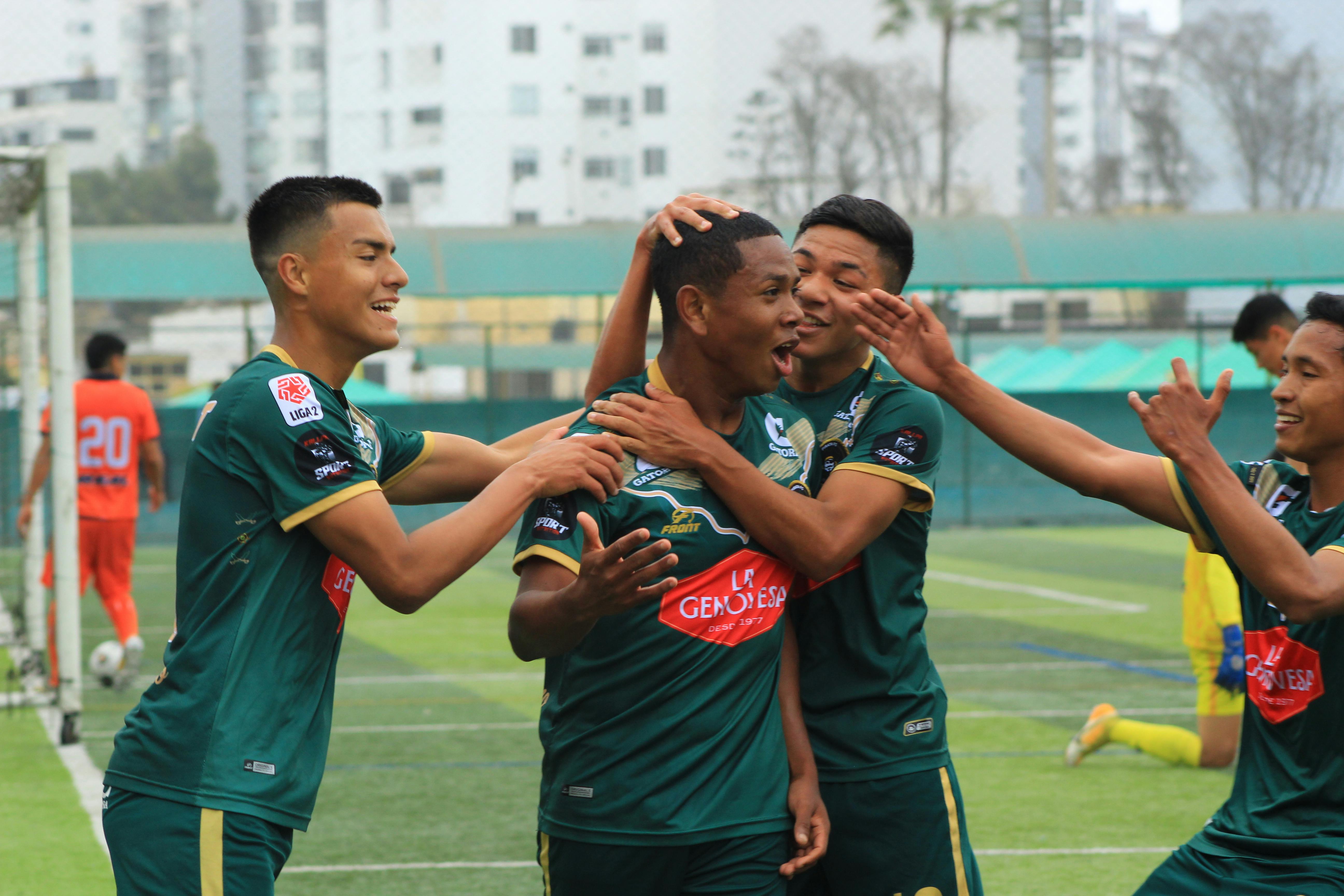

In Ecuador, when the national team takes the field or a beloved club side kicks off, something magical happens. Streets empty, living rooms fill up, and the entire country seems to breathe in unison. Ecuador soccer traditions run deep, woven into everyday life in ways that go far beyond the ninety minutes of play. Whether you're watching from a tiny apartment in Quito or a packed sports bar in Guayaquil, match day in Ecuador is less about the game and more about the gathering.
The Ritual of Preparation
Long before kickoff, the preparation begins. Football gatherings in Ecuador are treated with the same weight as family dinners or holiday celebrations. Households start buzzing hours in advance. Someone is sent to the market for snacks. Chairs are rearranged to face the television. The remote control is claimed early by the most opinionated person in the room.

Welcome to United Tribes
Where Ecuadorian Culture Comes Alive
Join Your Tribe
Connect with your people
Discover Events
Watch parties & festivals
Find Ecuadorian Businesses
Restaurants, markets & more
Earn Crown Credits
Get rewarded for engaging
It's common for Ecuadorian families to designate a "match day host,” the person with the biggest TV or the loudest cheer. Neighbors drop by uninvited and are welcomed without question. This communal spirit is central to Ecuador's match-day culture, where the door is always open during a big game.
Food at the Heart of the Celebration
No Ecuadorian football gathering is complete without food. The match day table typically features:
- Ceviche de camarón — shrimp ceviche served cold with chifles (plantain chips)
- Empanadas de viento — crispy cheese-filled pastries fried fresh
- Chifles and tostado — crunchy corn and plantain snacks passed around the room
- Hornado — slow-roasted pork, especially at larger gatherings
- Chicha and pilsener — traditional fermented drinks alongside Ecuador's beloved local beers
Food is never an afterthought. Ecuadorian hosts take pride in setting a generous table, and the snacks often reflect regional identity. Coastal families lean toward seafood-forward options, while highland households might center on heartier dishes like llapingachos or seco de pollo.
Superstitions and Lucky Charms
Ecuador soccer traditions wouldn't be complete without a healthy dose of superstition. Ask any Ecuadorian fan, and they'll confess to at least one ritual they follow religiously on match day.
Some fans wear the same jersey they had on during a previous victory. Others insist on sitting in the same seat as last time. Some families refuse to rearrange the living room furniture if the team is on a winning streak. A particular snack eaten during a win might become mandatory at every subsequent game until the streak ends.
Children often inherit these habits from parents and grandparents, making the superstitions themselves a form of cultural transmission. The football gatherings that Ecuadorians host across generations are as much about passing down belief systems as about watching sport.
The Role of Community Spaces
Beyond the home, community spaces play a vital role in Ecuadorian culture on match day. Neighborhood cantinas, local restaurants, and public plazas with outdoor screens become pilgrimage sites during major tournaments. During the FIFA World Cup, when Ecuador has qualified, entire city blocks transform. Vendors set up outside. Music plays between halves. Strangers become instant friends over shared tension and shared joy.
In cities like Cuenca and Manta, community watch parties are organized by local clubs or neighborhood associations. These events often include raffles, live commentary from informal "experts," and post-match debates that can last until midnight. The game is the centerpiece, but the community is the real event.
Generational Bonds and Family Traditions
One of the most meaningful dimensions of Ecuador's soccer traditions is how they connect generations. Grandparents who remember the country's first World Cup qualification in 2002 sit beside grandchildren who've grown up knowing Ecuador as a legitimate football nation. The memories layered into each match day create a living family history.
It's common for older relatives to recount past games as if they happened yesterday, from the goals to the near-misses to the controversial calls. These stories become part of family lore. Watching a match in Ecuador carries the weight of every game that came before it.
Music, Noise, and Pure Emotion
Ecuadorian fans are loud. Match day in Ecuador is characterized by an emotional expressiveness that fills every room. Goals are met with eruptions. Near-misses bring groans and dramatic gestures. A bad referee call can spark a fifteen-minute debate that somehow ends in laughter.
Music is often layered into the experience. Before and after games, cumbia, pasillo, or even chicha music plays in the background. During tense moments, the room falls silent in a way that feels almost sacred. Then chaos resumes. This rhythm of noise and silence, tension and release, is deeply Ecuadorian.
Digital Age Match Day
Modern football gatherings in Ecuador have adapted beautifully to digital life. WhatsApp groups are now standard: family chains buzzing with memes, reactions, and heated commentary in real time. Social media turns every goal into a shared national moment, with Ecuadorian Twitter and Instagram lighting up within seconds of big plays.
For Ecuadorians living in the United States, these digital traditions are a lifeline. Streaming services allow diaspora communities in cities like New York, Miami, and Los Angeles to watch the same game simultaneously, texting family back home and recreating the match day feeling across thousands of miles.
The Beautiful Game Brings Ecuador Together
From the carefully laid snack table to the superstitions passed down through generations, Ecuador's match-day culture is a living, breathing expression of community and identity. Ecuador soccer traditions are about belonging, memory, and the joy of experiencing something meaningful alongside the people who matter most. Every gathering, whether in a packed Guayaquil bar or a small apartment in Queens, carries that same unmistakable energy.
The diaspora experience adds another layer to these traditions, keeping cultural roots alive even when geography separates families. Ecuadorians abroad recreate match day rituals with the same devotion as those back home, proving that football gatherings inspire transcend borders. The food, the noise, and the superstitions travel wherever Ecuadorians go.
Visit United Tribes today to learn more about Ecuadorian culture and community, and discover how this vibrant heritage is celebrated and preserved across the United States.


