The Largest Filipino Business Directory in the US
Where Dreams Thrive and Connections Grow.
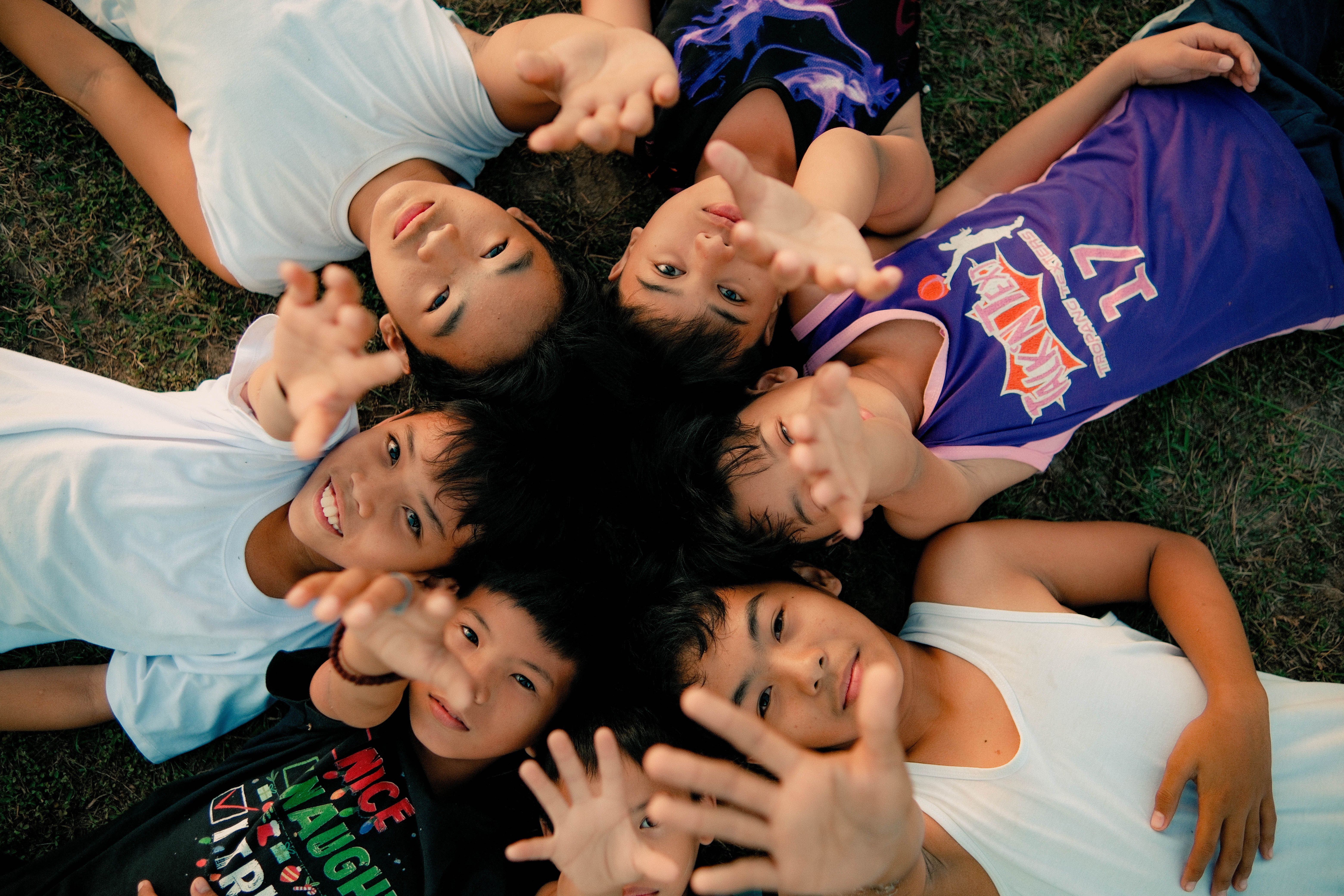
Over four million Filipinos live across the United States, forming one of the largest Asian diaspora communities in the country. Shaped by Austronesian roots, three centuries of Spanish colonial rule, and American influence, Filipino culture moves between Catholic feast days and regional Indigenous traditions, sinigang and lechon, kundiman ballads and Visayan folk dances. This page connects you to Filipino community events, food, and cultural traditions nationwide.
Community at a Glance
Fast facts about the Filipino community in the United States

Diaspora
Concentrated in California, Hawaii, Illinois, New York, and Texas

Filipino (Tagalog-based)
plus Cebuano, Ilocano, Kapampangan, Hiligaynon

Pista ng Kalayaan (June 12)
Sinulog, Pahiyas, Christmas season

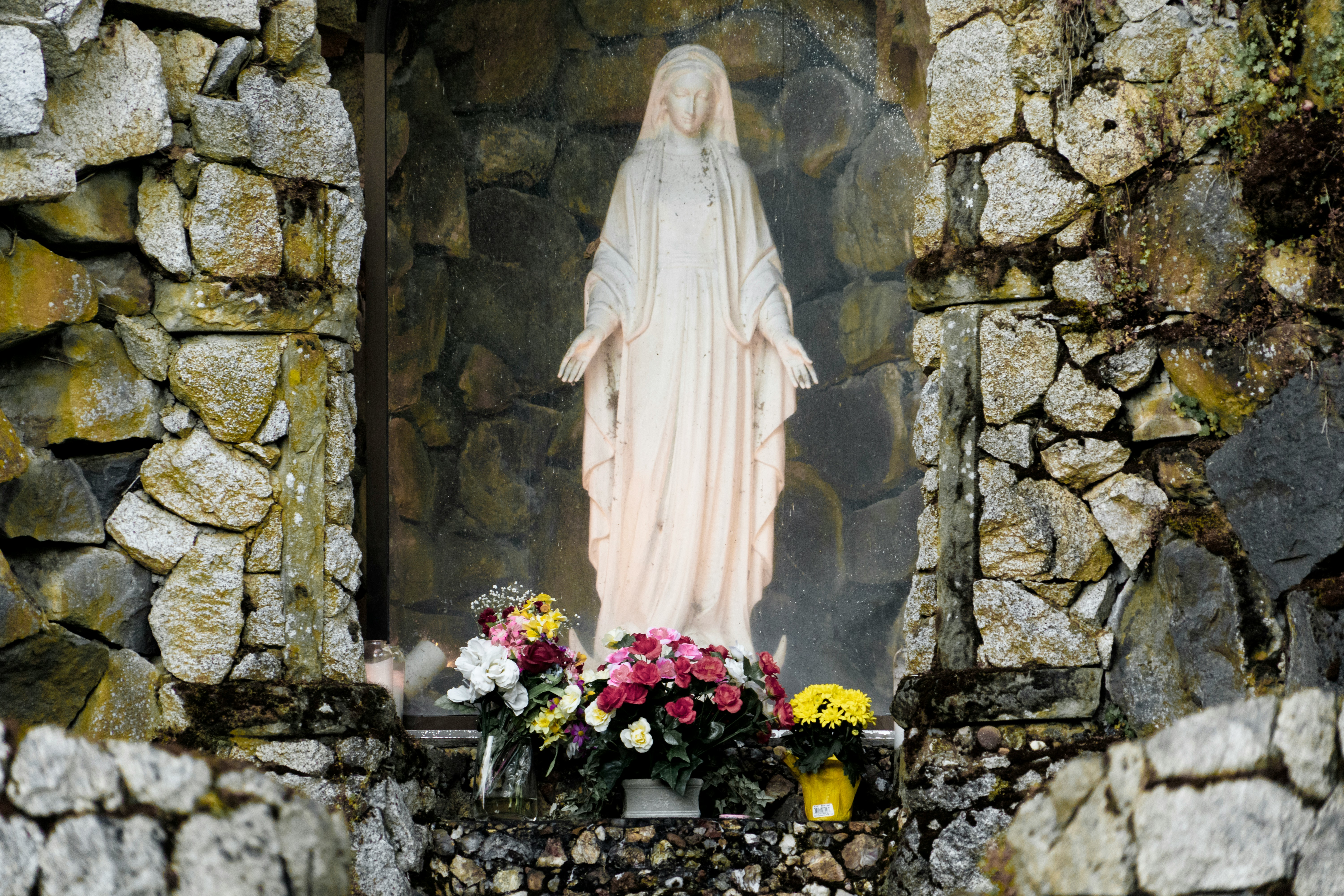
Roman Catholicism is practiced by approximately 80 percent of Filipinos
Roman Catholicism is practiced by approximately 80 percent of Filipinos

Muslim communities in Mindanao
Iglesia ni Cristo, Aglipayan Church

Austronesian settlers
followed by Indianized kingdoms, then Spanish and American colonial eras
Key Definitions
Quick guide to terms you'll hear in the Filipino community

What is Bayanihan, and why does it define Filipino community life?
Bayanihan is a communal spirit of collective action and mutual aid, historically symbolized by neighbors literally carrying a family's house together to a new location.

What is the significance of the parol in Filipino culture?
The parol is a star-shaped Christmas lantern originating in Pampanga, symbolizing the Star of Bethlehem, and lit throughout the world's longest Christmas season.

What does "utang na loob" mean in Filipino social values?
Utang na loob translates roughly as a debt of gratitude, an internalized social obligation to reciprocate kindness that deeply shapes family and community relationships.
Cultural Heritage
Explore the traditions, arts, and history that define this community
Cuisine
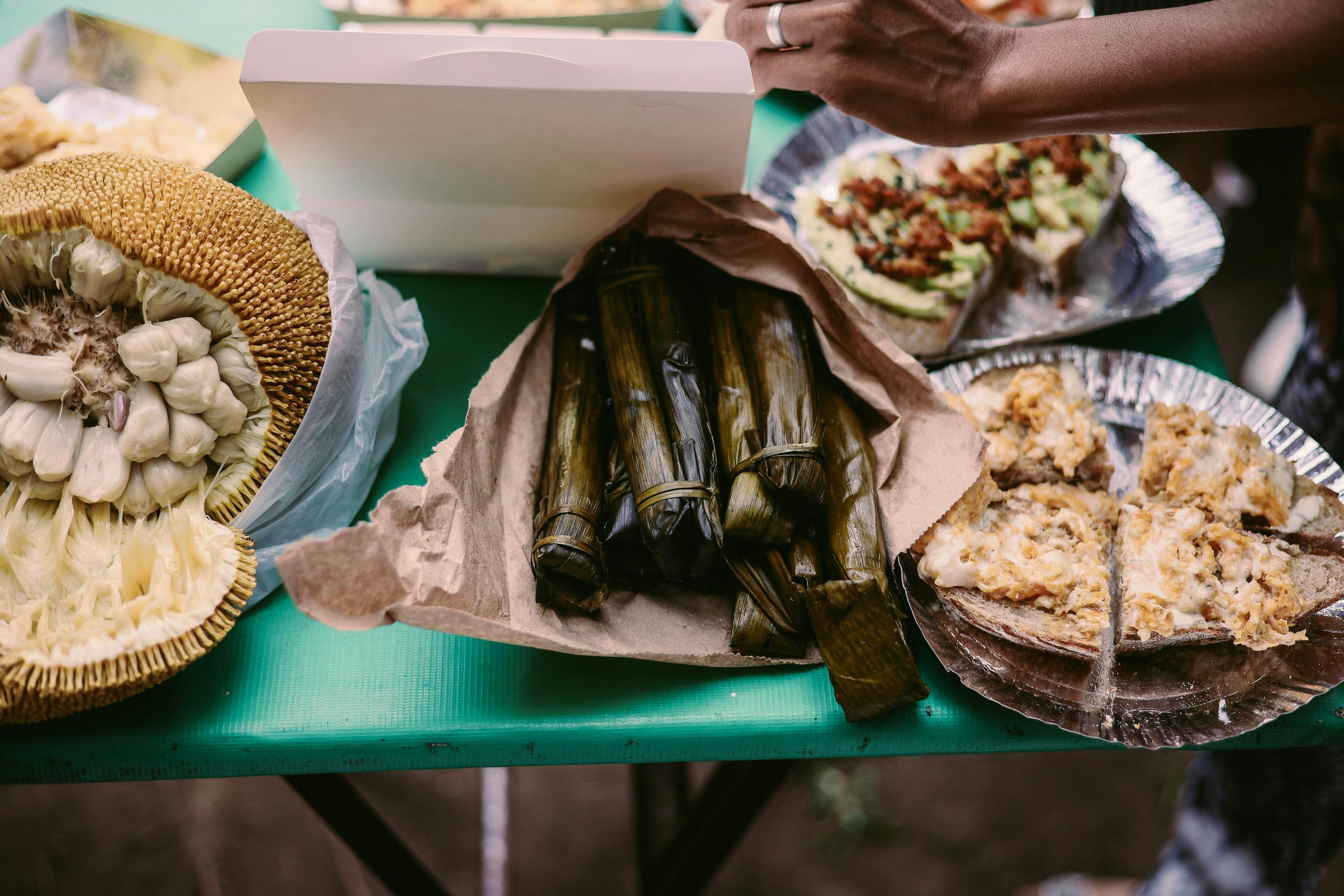
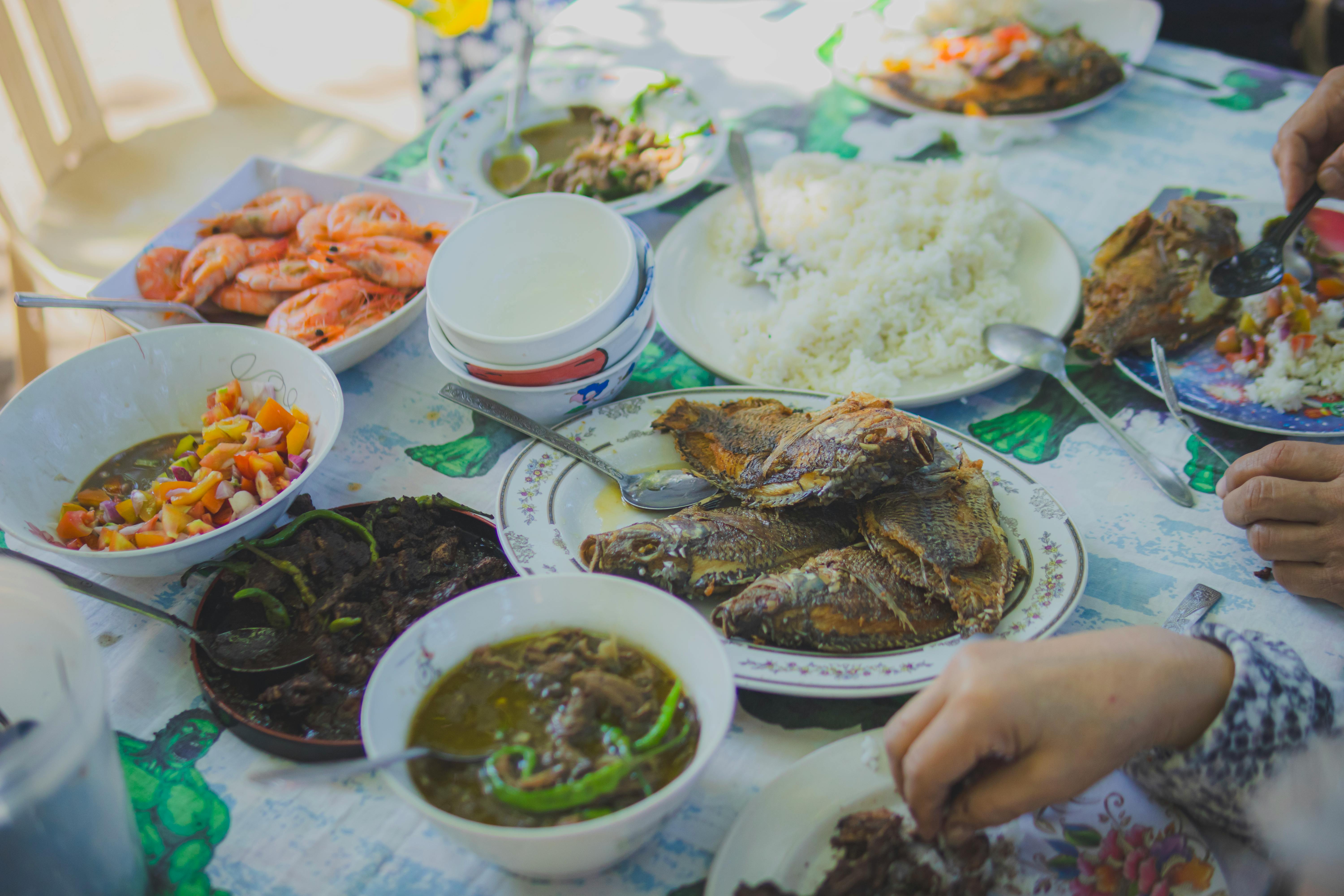
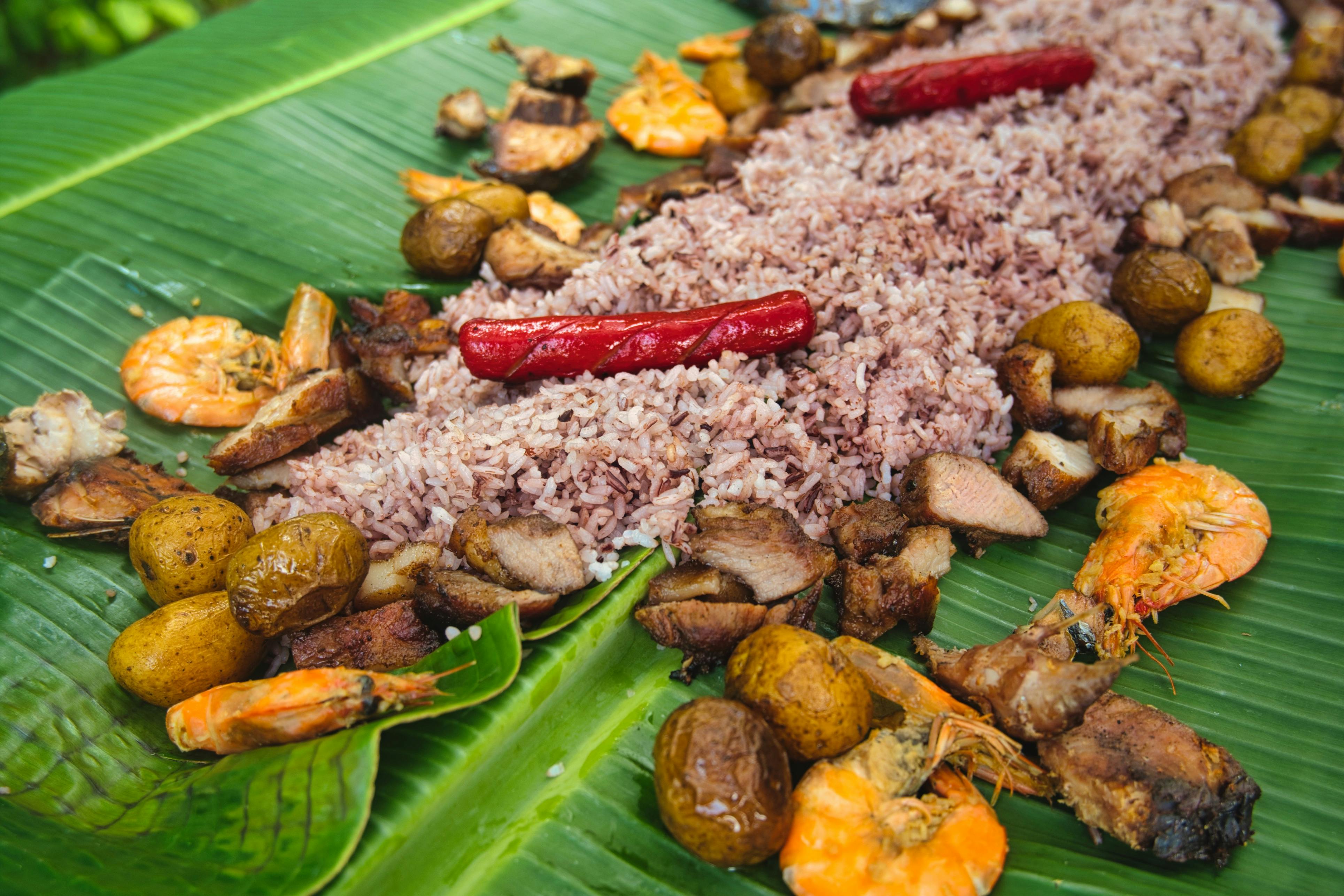
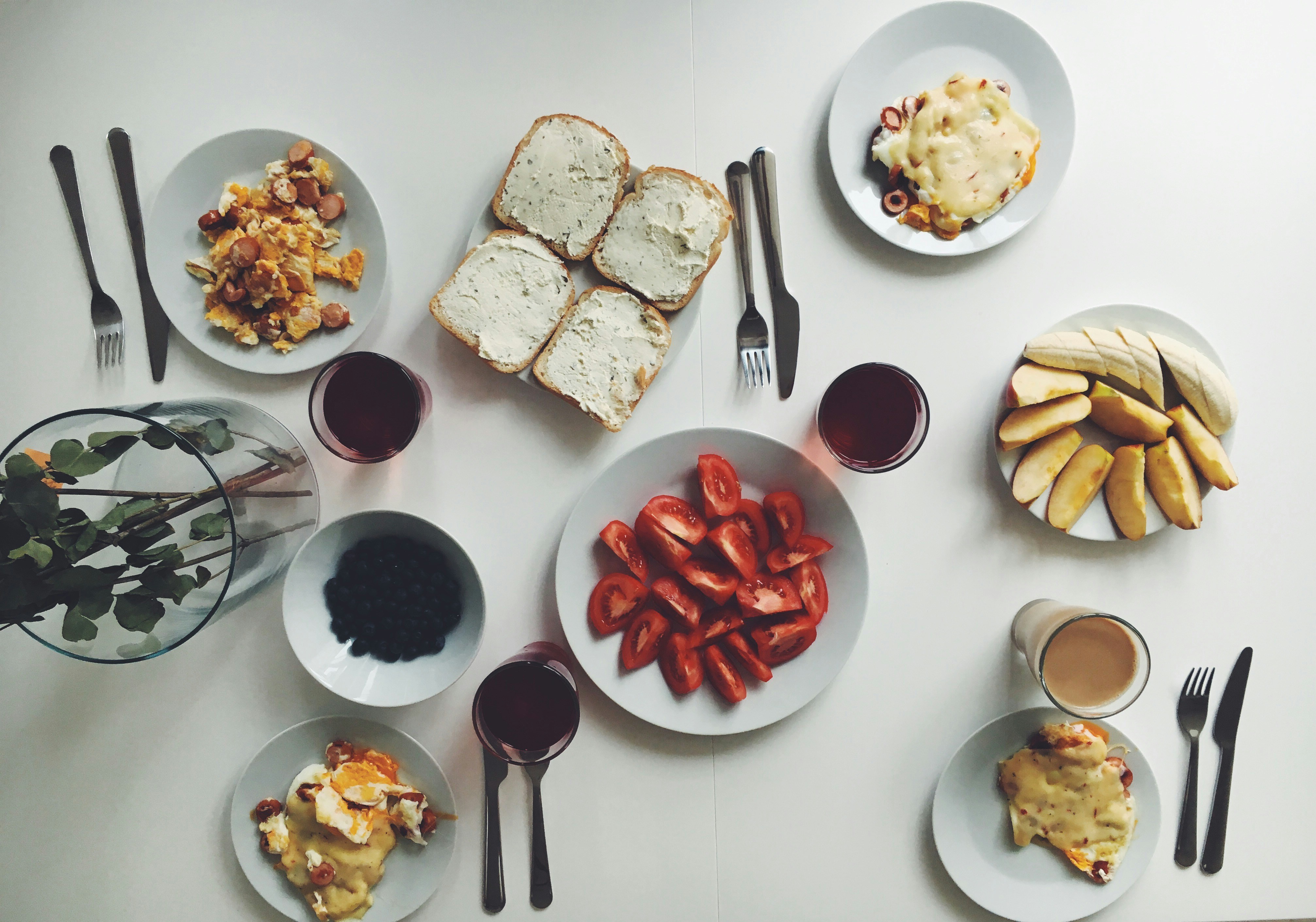
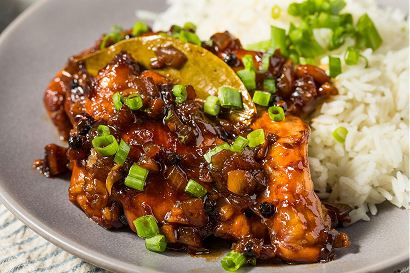
Filipino cooking layers sour, salty, and sweet in ways tied directly to specific regions and ingredients.
- • Adobo, braised in vinegar and soy sauce with garlic and bay leaves, varies by region across every household.
- • Sinigang is a tamarind-soured broth served with pork, shrimp, or fish, along with leafy vegetables like kangkong.
- • Lechon, a whole roasted pig slow-cooked over charcoal, is the centerpiece of fiestas and family milestones.
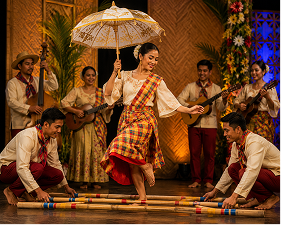
Arts & Music
Kundiman, the prewar Tagalog love-song tradition, and Visayan rondalla string ensembles define classic Filipino performance.
- • The Singkil, a Maranao court dance from Mindanao, uses rhythmically clapping bamboo poles and royal parasols.
- • Pabalat, decorative Kapampangan paper-cutting art, produces intricate gold-leaf designs for religious and ceremonial use.
- • Contemporary Original Pilipino Music (OPM) spans ballads to pop and remains a primary cultural export since the 1970s
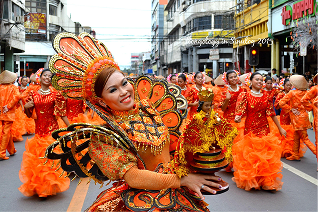
Celebrations & Traditions
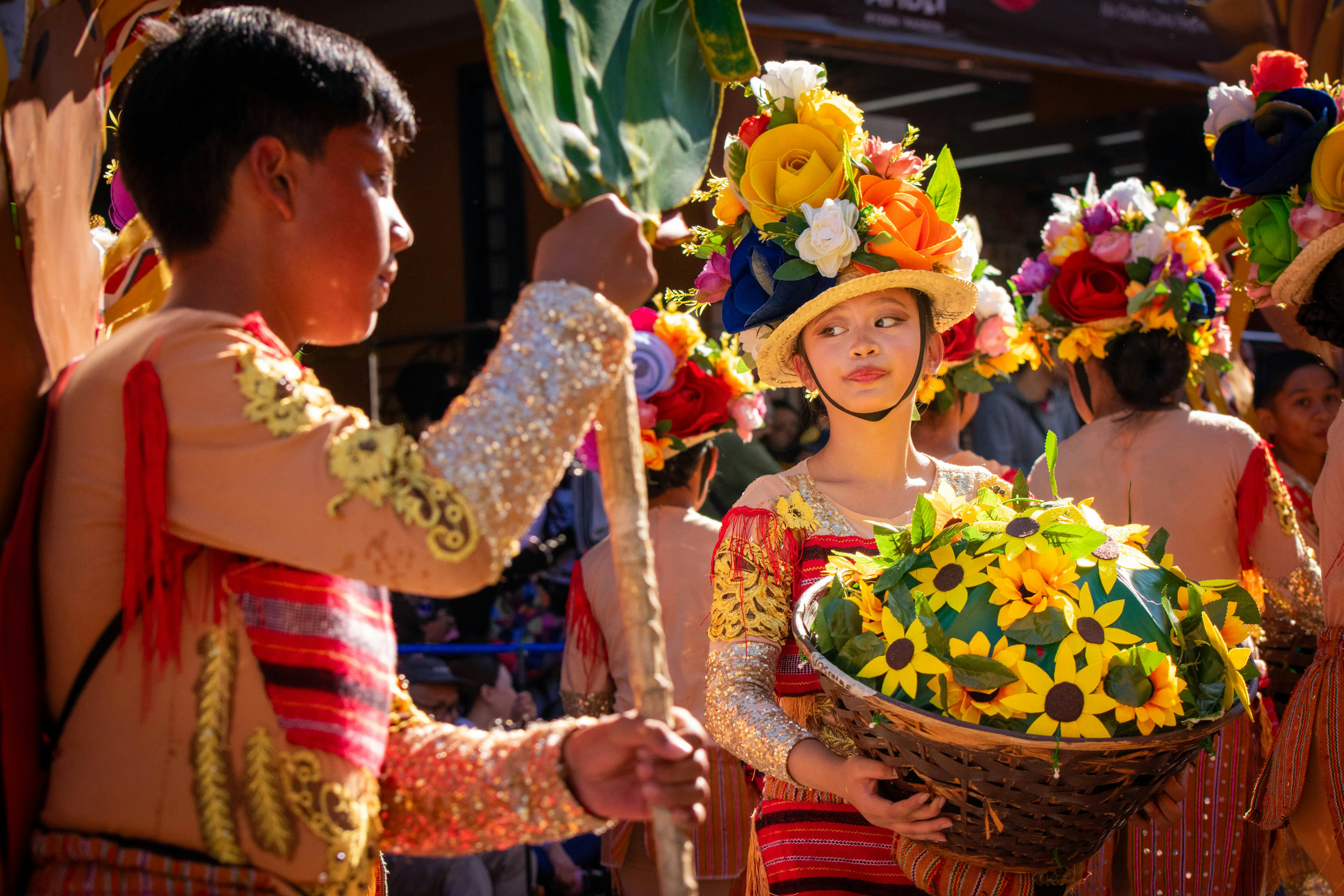
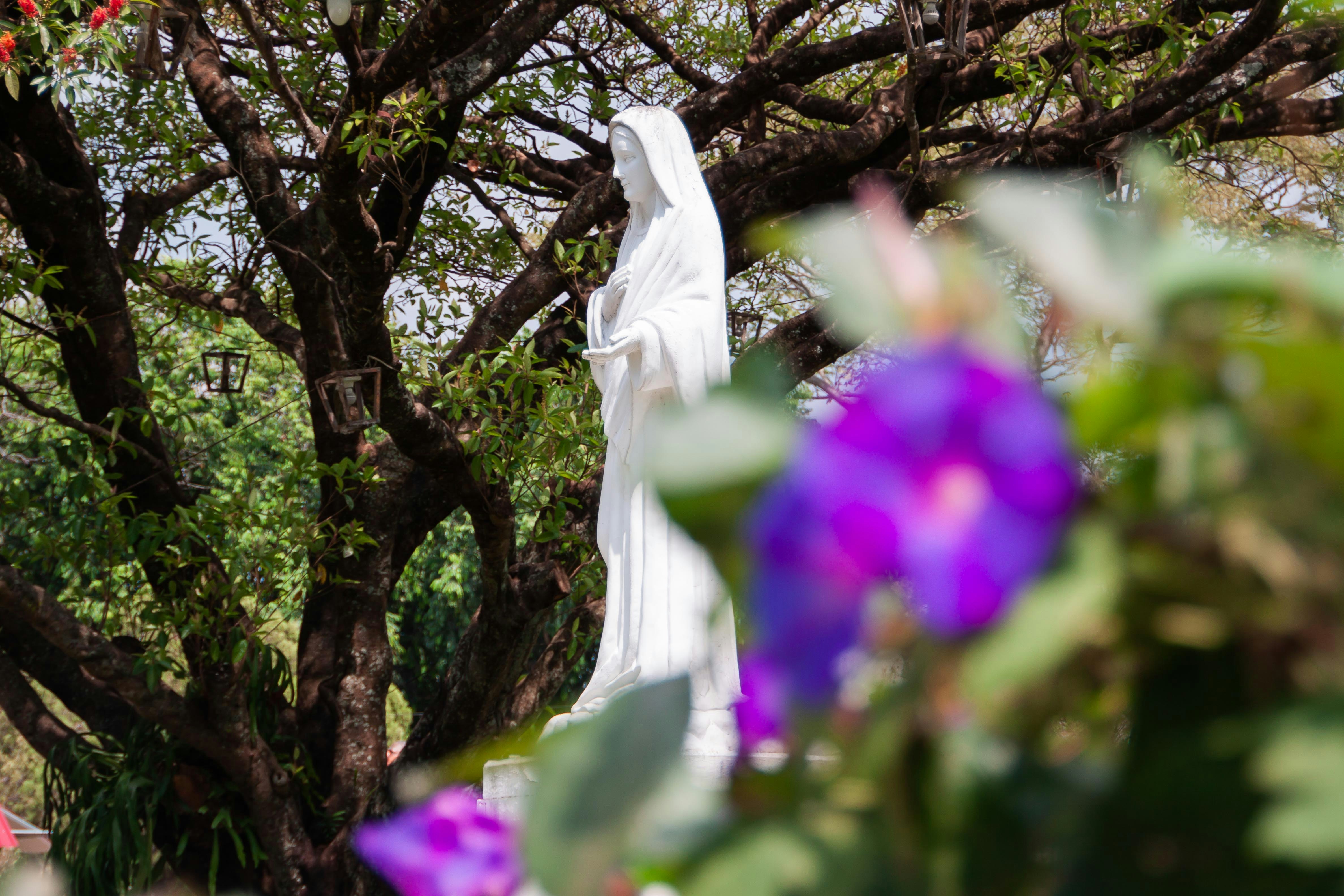
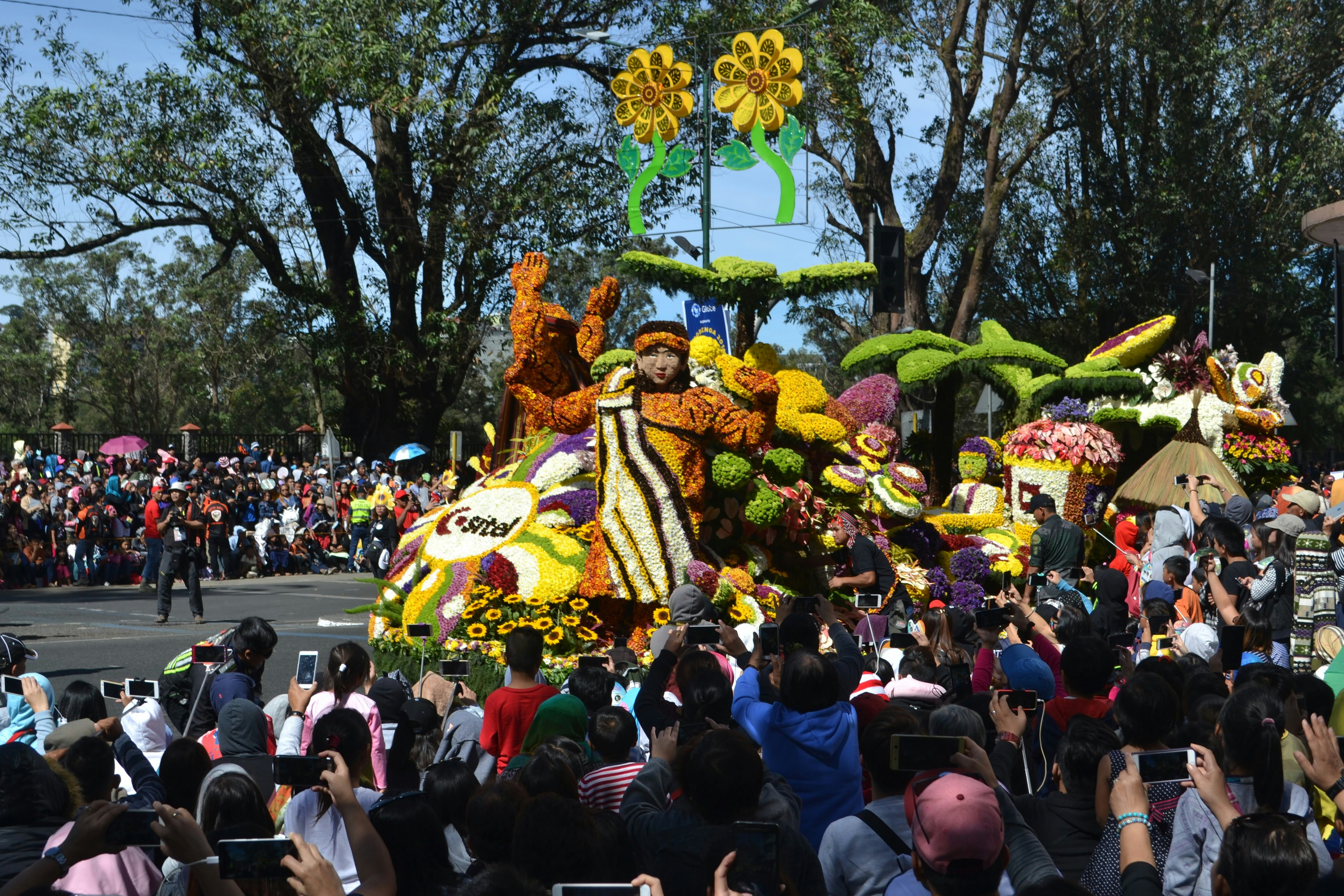
Filipino fiestas combine Catholic saint veneration with neighborhood feasting, street performance, and regional pageantry.
- • Sinulog in Cebu each January honors the Santo Niño with a massive street parade, choreographed dances, and a candlelit procession.s
- • In Pahiyas in Lucban, Quezon, house facades are decorated with kiping rice wafers and produce to give thanks for the harvest.
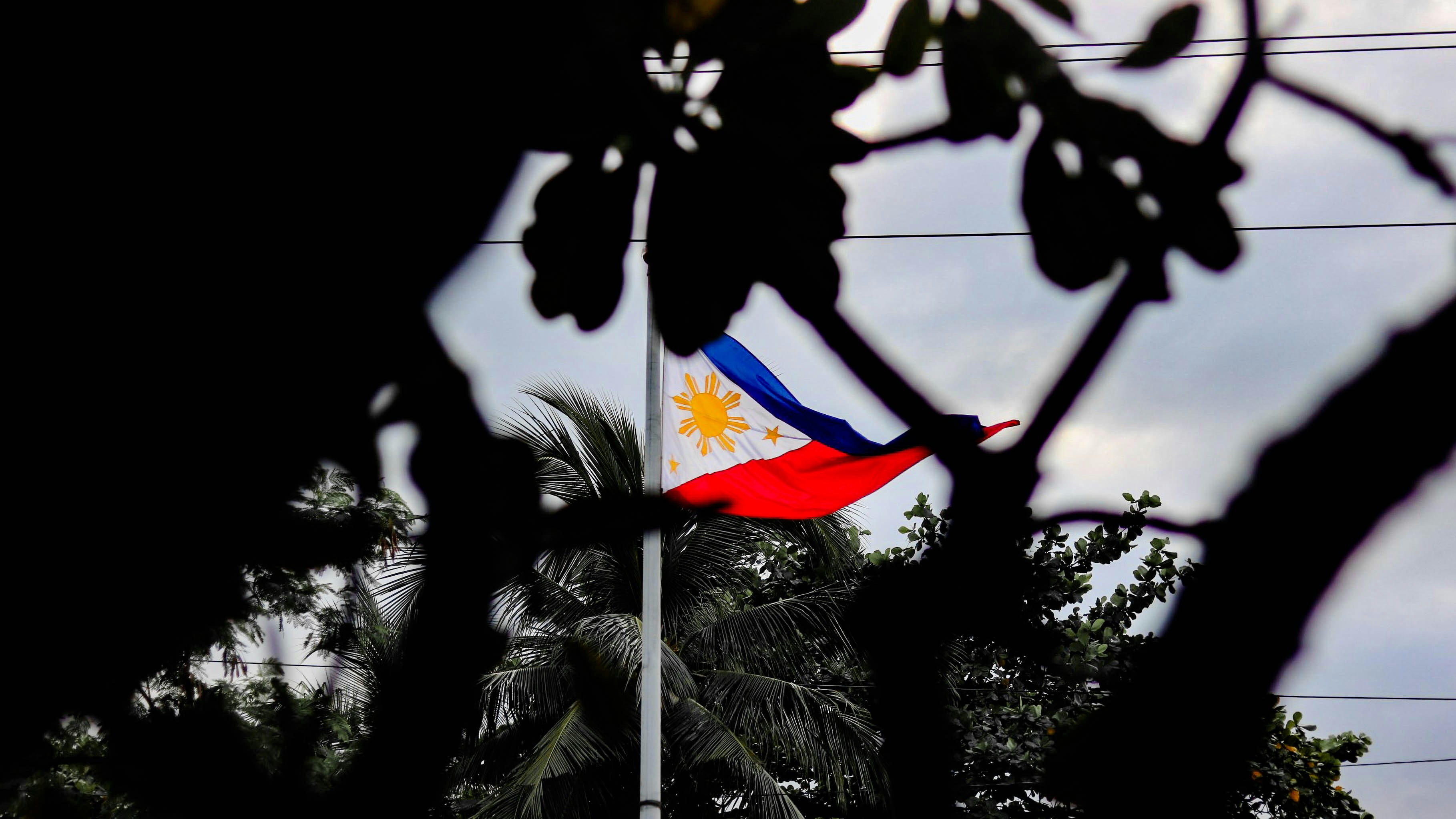
- • Pista ng Kalayaan on June 12 commemorates the Philippines' independence from Spain in 1898 and is observed with parades and cultural programs.
 Featured Businesses


 Featured Events
Frequently Asked Questions
Get quick answers to common questions—about joining, listing your business, attending events, using the app, or navigating the Pulse. We’re here to help you connect with ease.
Business Directory
Philippines Business Listings









Related Blog Topics