
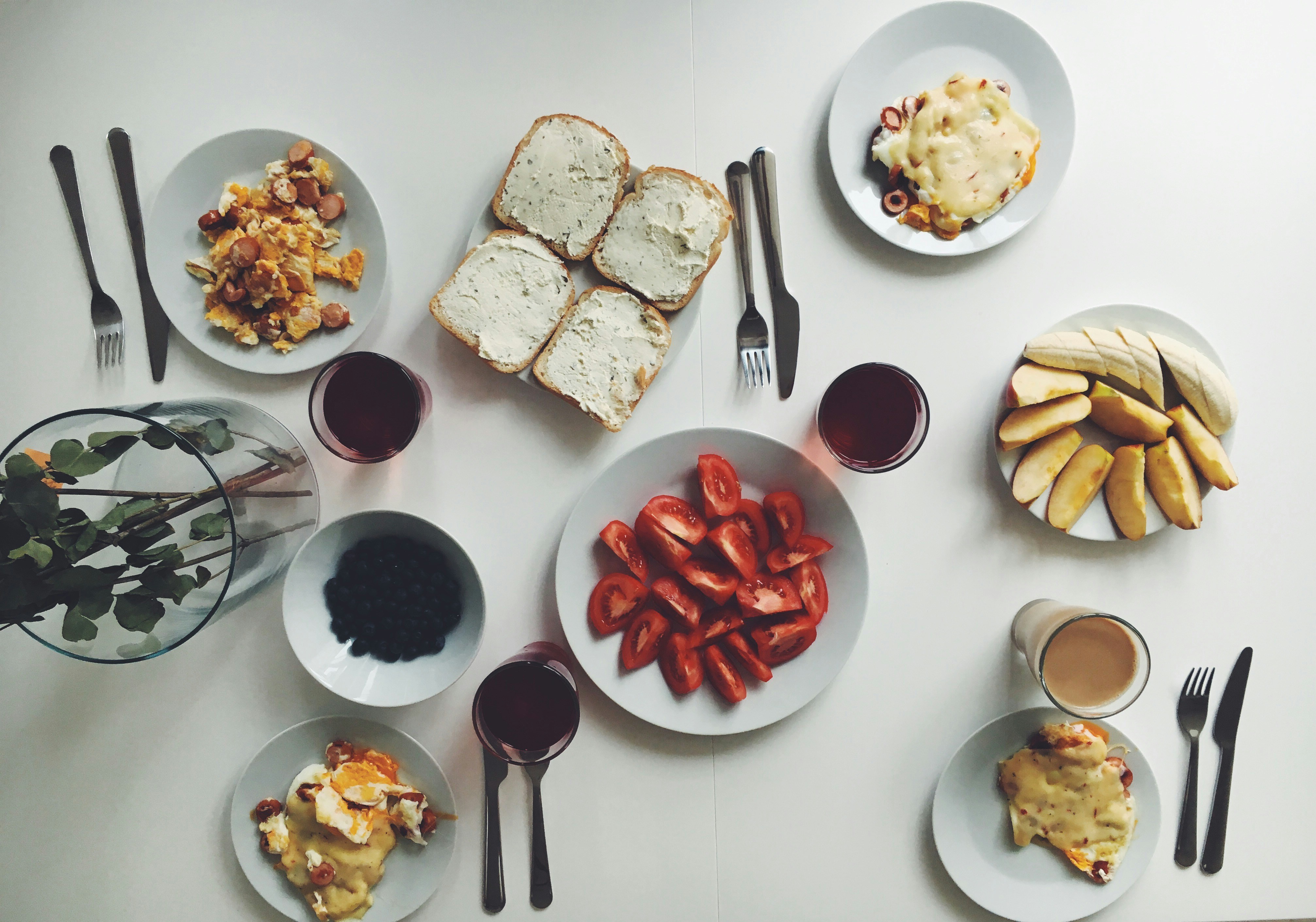

As the gentle sound of church bells echoes through Filipino neighborhoods across America, families begin preparing for one of the most spiritually significant periods of the year—Lent. For Filipino families, this sacred season brings a beautiful tradition of Filipino Lent food that transforms ordinary kitchens into spaces of reflection, simplicity, and togetherness. The practice of eating simpler, often meatless meals during the 40 days leading up to Easter offers families an opportunity to reconnect with their heritage while honoring their faith through mindful cooking and shared meals.
The Heart of Filipino Lenten Cooking
Filipino home cooking during Lent reflects the deep cultural understanding that food is both sustenance and prayer. Traditional Filipino Catholic families observe abstinence from meat on Ash Wednesday, Good Friday, and Fridays throughout Lent, creating space for creativity with vegetables, seafood, and plant-based ingredients that might otherwise play supporting roles in everyday meals.

Welcome to United Tribes
Where Filipino Culture Comes Alive
Join Your Tribe
Connect with your people
Discover Events
Watch parties & festivals
Find Filipino Businesses
Restaurants, markets & more
Earn Crown Credits
Get rewarded for engaging
The beauty of simple Filipino meals during this period lies in their ability to transform humble ingredients into satisfying, flavorful dishes. Root vegetables like kamote (sweet potato), gabi (taro), and ube take center stage. In contrast, fresh vegetables from backyard gardens or local Filipino markets become the foundation for nourishing soups, stews, and stir-fries.
Filipino families often use this season as an opportunity to teach younger generations about traditional cooking methods passed down through generations. Grandmothers share stories while showing their grandchildren how to clean fresh fish properly or identify the perfect ripeness in vegetables at the market.
Seafood Specialties for Holy Week
Fresh Fish Preparations
During Lent, Filipino kitchens fill with the aromatic scents of ginataang isda (fish in coconut milk). This comforting dish combines fresh fish with vegetables in a rich, creamy coconut sauce. This preparation allows families to create satisfying meals while honoring their Lenten commitments. The dish typically features whatever fresh fish is available—tilapia, bangus (milkfish), or galunggong—simmered with green beans, eggplant, and leafy vegetables.
Paksiw na isda offers another beloved option, where fish is gently cooked in vinegar with ginger, onions, and vegetables. This tangy, refreshing dish requires minimal ingredients but delivers maximum flavor, embodying the Lenten principle of finding abundance in simplicity. The cooking process itself becomes meditative, as families gather in the kitchen to help prepare vegetables and share stories.
Traditional Seafood Stews
Sinigang na isda transforms the classic Filipino sour soup into a Lenten-appropriate feast. Using fresh fish instead of pork or beef, families create hearty bowls filled with radish, tomatoes, green beans, and leafy vegetables in a tamarind-based broth. The communal aspect of sharing sinigang from a central pot reinforces family bonds while providing nourishing comfort food during the reflective Lenten period.
Filipino families also prepare tinolang isda, a ginger-based soup that combines fresh fish with green papaya and leafy vegetables. This light yet satisfying dish represents the essence of Filipino Lent food traditions—simple ingredients prepared with care and shared with love.
Vegetable-Forward Family Recipes
Garden-Fresh Traditions
Pinakbet becomes a Lenten staple, showcasing the abundance of Filipino vegetables in a single, harmonious dish. This mixed vegetable stew combines bitter melon (ampalaya), eggplant, okra, green beans, and squash with shrimp paste for umami depth. Filipino families often involve children in selecting and preparing the vegetables, teaching them to appreciate the natural flavors and textures of plant-based ingredients.
The preparation of pinakbet during Lent often becomes a community activity, with extended families gathering to prepare large batches to share among households. This practice reinforces the Filipino value of bayanihan—community spirit and mutual assistance—while creating opportunities for cultural transmission across generations.
Creative Plant-Based Solutions
Ginataang gulay (vegetables in coconut milk) allows Filipino cooks to transform simple vegetables into rich, satisfying dishes. Combinations of squash, green beans, and leafy vegetables simmered in coconut milk create creamy, comforting meals that feel indulgent despite their humble ingredients. These dishes demonstrate how Filipino home cooking can create abundance from simplicity.
Adobong kangkong (water spinach adobo) adapts the beloved Filipino adobo technique for vegetarian Lenten meals. The leafy green vegetable absorbs the tangy, savory flavors of vinegar and soy sauce, creating a satisfying side dish that pairs perfectly with steamed rice and other Lenten preparations.
Family Cooking Rituals and Traditions
Kitchen Gatherings and Story Sharing
During Lent, Filipino families often designate specific times for communal cooking, transforming meal preparation into opportunities for bonding and cultural education. These Filipino family food traditions create space for multiple generations to work side by side, sharing techniques, stories, and memories as they prepare simple Filipino meals together.
The act of cleaning fresh fish becomes a teaching moment, as older family members demonstrate proper techniques while sharing memories of fishing expeditions or market visits from their youth. Younger family members learn not just cooking skills but also cultural values of resourcefulness, gratitude, and respect for ingredients. These traditions honor the same sense of home and comfort that many Filipino families seek to maintain while living in America.
Prayer and Preparation
Many Filipino families begin their Lenten cooking with a brief prayer, blessing the ingredients and the hands that will prepare them. This spiritual component elevates everyday cooking into an act of devotion, reinforcing the connection between faith, family, and food that characterizes Filipino Lent food traditions.
The practice of cooking together also creates opportunities for informal religious education, as family members discuss the significance of Lenten observances while preparing meals. Children learn about sacrifice, reflection, and community service through the practical act of creating simpler, more mindful meals.
Regional Variations and Modern Adaptations
Island-Inspired Differences
Filipino families from different regions bring unique touches to their Lenten cooking traditions. Families with roots in coastal areas often incorporate a wider variety of seafood, while those from mountainous regions might emphasize root vegetables and leafy greens in their preparations. These regional differences add richness and diversity to Filipino home cooking during Lent, reflecting the archipelago's incredible culinary diversity.
Ilocano families might emphasize dinengdeng, a simple vegetable soup featuring whatever fresh vegetables are available, while Visayan families might focus on fresh fish preparations unique to their island heritage. These regional traditions help maintain cultural connections to specific areas of the Philippines while adapting to ingredients available in American communities.
Contemporary Filipino-American Adaptations
Modern Filipino-American families often adapt traditional Lenten recipes to accommodate busy schedules and available ingredients. Slow cooker versions of traditional stews allow working parents to maintain Filipino family food traditions while managing contemporary demands. These adaptations demonstrate the resilience and creativity that characterize Filipino culinary culture.
Many families also incorporate locally sourced ingredients, visiting farmers' markets to find vegetables that complement traditional Filipino preparations. This practice connects Filipino families with their broader American communities while maintaining cultural authenticity in their cooking. The same spirit of adaptation and celebration that shapes Filipino festivities in America influences how families approach Lenten cooking traditions.
Nourishing Body and Spirit Together
The traditions of Filipino home cooking during Lent create lasting memories while teaching younger generations about resourcefulness, gratitude, and the deep connections between food, faith, and family. As Filipino families across America continue to adapt and preserve these meaningful practices, they contribute to the rich tapestry of cultural traditions that strengthen communities and preserve heritage for future generations.
Whether you're exploring your own Filipino heritage or seeking to understand these beautiful traditions, visit United Tribes today to learn more about Filipino culture and community celebrations throughout the year.


