
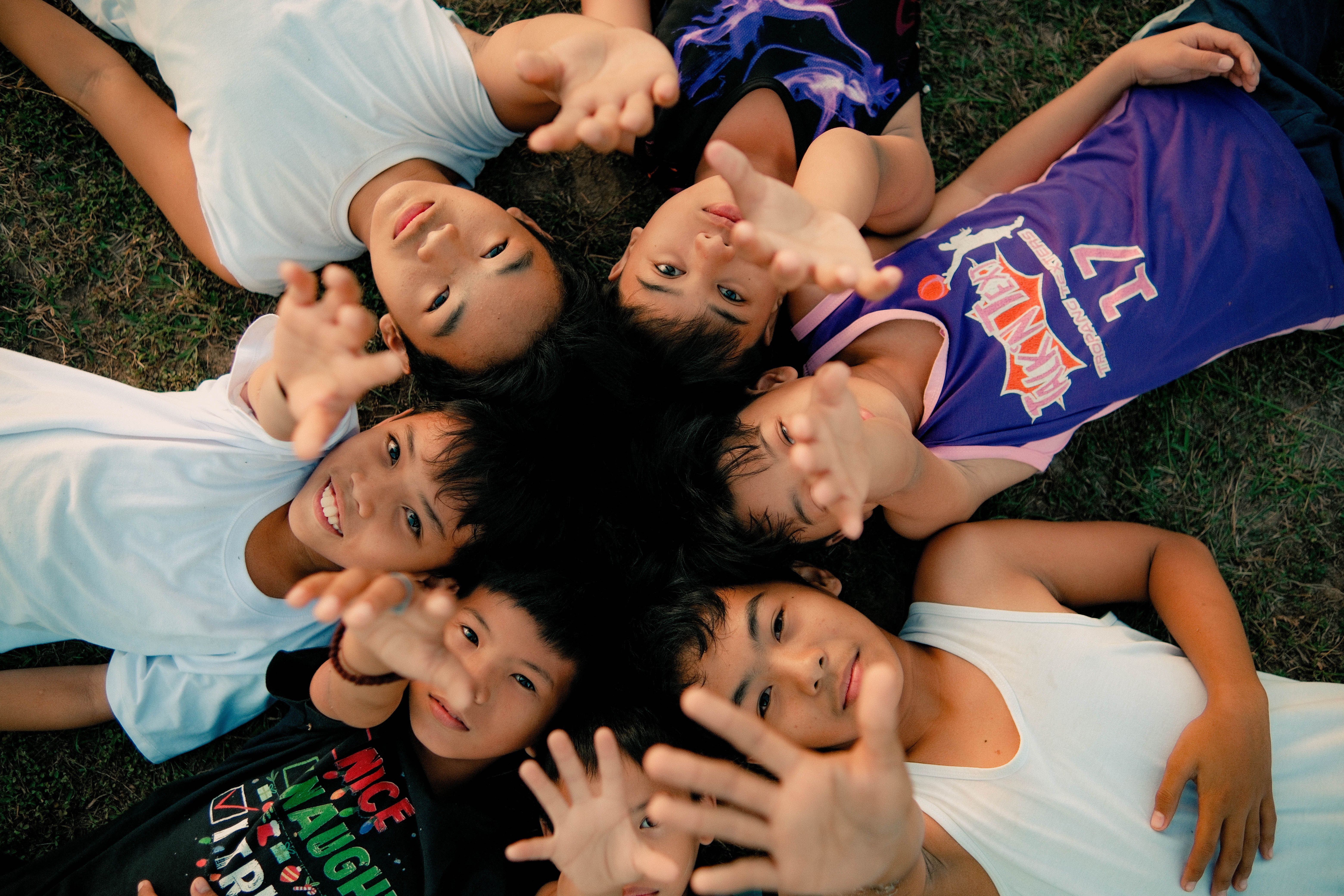

Every August, the Philippines celebrates Buwan ng Wika — the Month of Language — a national observance honoring the Filipino language and the cultural identity woven into every word. For Filipino-Americans living thousands of miles from home, this celebration carries a deeper weight. It is not just about grammar or vocabulary. It is about remembering who you are, where your family came from, and what gets passed down when everything else changes.
What Is Buwan ng Wika and Why Does It Matter
Buwan ng Wika traces its roots to the birth anniversary of writer and national hero Manuel L. Quezon, celebrated on August 19. Over the decades, it evolved into a full-month recognition of Filipino linguistic heritage. In schools across the Philippines, students recite poetry in Tagalog, perform plays in regional dialects, and wear traditional Filipiniana clothing. The month is a reminder that language is a communication vessel for culture, memory, and belonging.

Welcome to United Tribes
Where Filipino Culture Comes Alive
Join Your Tribe
Connect with your people
Discover Events
Watch parties & festivals
Find Filipino Businesses
Restaurants, markets & more
Earn Crown Credits
Get rewarded for engaging
For Filipino-Americans, the significance of this observance does not stop at the Pacific Ocean. In homes across California, Texas, New Jersey, and beyond, Buwan ng Wika represents an opportunity to recommit to something many families fear losing: the sound of Tagalog spoken fluently by the next generation.
The Language Gap in Filipino-American Households
Research consistently shows that immigrant communities face language attrition by the second and third generations. Filipino families are no exception. Many Filipino-American children grow up hearing Tagalog or a regional dialect like Cebuano, Ilocano, or Kapampangan at home, but respond exclusively in English. The language becomes passive: understood but not spoken, felt but not expressed.
This gap matters because Filipino culture is deeply embedded in its language. Concepts like *utang na loob* (debt of gratitude), *hiya* (a sense of shared shame and social awareness), and *malasakit* (genuine concern for others) do not translate cleanly into English. Losing the language means losing the nuance that makes these values meaningful. The ongoing effort to preserve Filipino dialects reflects how seriously many families take this challenge.
Why Regional Languages Deserve Equal Attention
Tagalog often takes center stage during Buwan ng Wika, but the Philippines is home to over 180 languages and dialects. Ilocano, Bisaya, Waray, Hiligaynon, and Kapampangan each carry their own literary traditions, folk songs, and oral histories. When a Filipino-American family from the Visayas celebrates the month by speaking only Tagalog, something specific, their regional identity, can still slip away.
A growing number of Filipino-American communities are pushing back against this by organizing regional language circles, dialect-specific storytelling evenings, and cultural events that spotlight these often-overlooked tongues. The broader effort to keep Tagalog and regional dialects alive in the diaspora is gaining momentum, and Buwan ng Wika is a natural anchor point for that work.
Practical Ways Younger Generations Can Celebrate
Buwan ng Wika does not require a plane ticket to Manila. Here are concrete ways Filipino-American youth can participate meaningfully:
1. Host a Filipino language dinner — One evening each week in August, speak only Tagalog or your family's regional dialect at the dinner table. Start with simple phrases and build from there.
2. Read Filipino literature in translation — Works by Jose Rizal, Lualhati Bautista, or Nick Joaquin connect language to story and history.
3. Watch Filipino films with subtitles — Streaming platforms now carry award-winning Filipino cinema. Use it as a gateway to hearing natural, contemporary Tagalog.
4. Join a language exchange group — Many Filipino-American community centers and online groups pair fluent speakers with learners.
5. Attend a cultural event in August — Local Filipino organizations often host Buwan ng Wika programs, poetry readings, and cultural nights.
Filipino-American youth groups across the country are already doing this work — creating safe, energized spaces where speaking Filipino is celebrated rather than treated as optional.
Language as an Expression of Bayanihan
There is something deeply communal about the Filipino approach to language preservation. The value of bayanihan, collective action, and mutual support shows up in the way communities rally around cultural education. Language schools staffed by volunteers, potluck events built around storytelling, social media groups where elders teach idioms to teenagers: these are all expressions of bayanihan in action.
This spirit of shared responsibility for cultural survival is further explored in discussions of how bayanihan and pakikisama thrive in Filipino-American communities. Language is not a solo project. It survives because communities decide together that it will.
Resilience Behind Every Word
Celebrating Filipino culture and language in America is, at its core, an act of resilience. Filipino-Americans have navigated colonial histories, immigration barriers, and the pressures of assimilation, yet they continue to show up for their culture with creativity and pride. That spirit of resilience is embedded in every Tagalog poem recited, every regional proverb shared with a grandchild, every August event organized in a community hall far from the Philippines.
Buwan ng Wika is a reminder that language is chosen, practiced, and protected by every generation that decides it is worth keeping as it is inherited.
Keep the Language, Keep the Culture
Buwan ng Wika offers Filipino-Americans a framework for intentional cultural practice. From hosting Tagalog dinners at home to joining community language groups and attending local cultural events in August, there are real, accessible ways to make the Filipino language a living part of daily life. Regional dialects deserve the same attention, ensuring that Ilocano grandmothers and Bisaya storytellers are not reduced to footnotes in the family history.
For younger generations especially, this month is an invitation to ask questions, make mistakes in Tagalog, and discover that imperfect fluency is still a meaningful act of cultural love. Language does not have to be perfect to be powerful; it just has to be spoken.
Explore the Filipino-American community on United Tribes to connect with businesses, events, and cultural stories that celebrate the language, traditions, and people keeping Filipino identity alive in America.


