
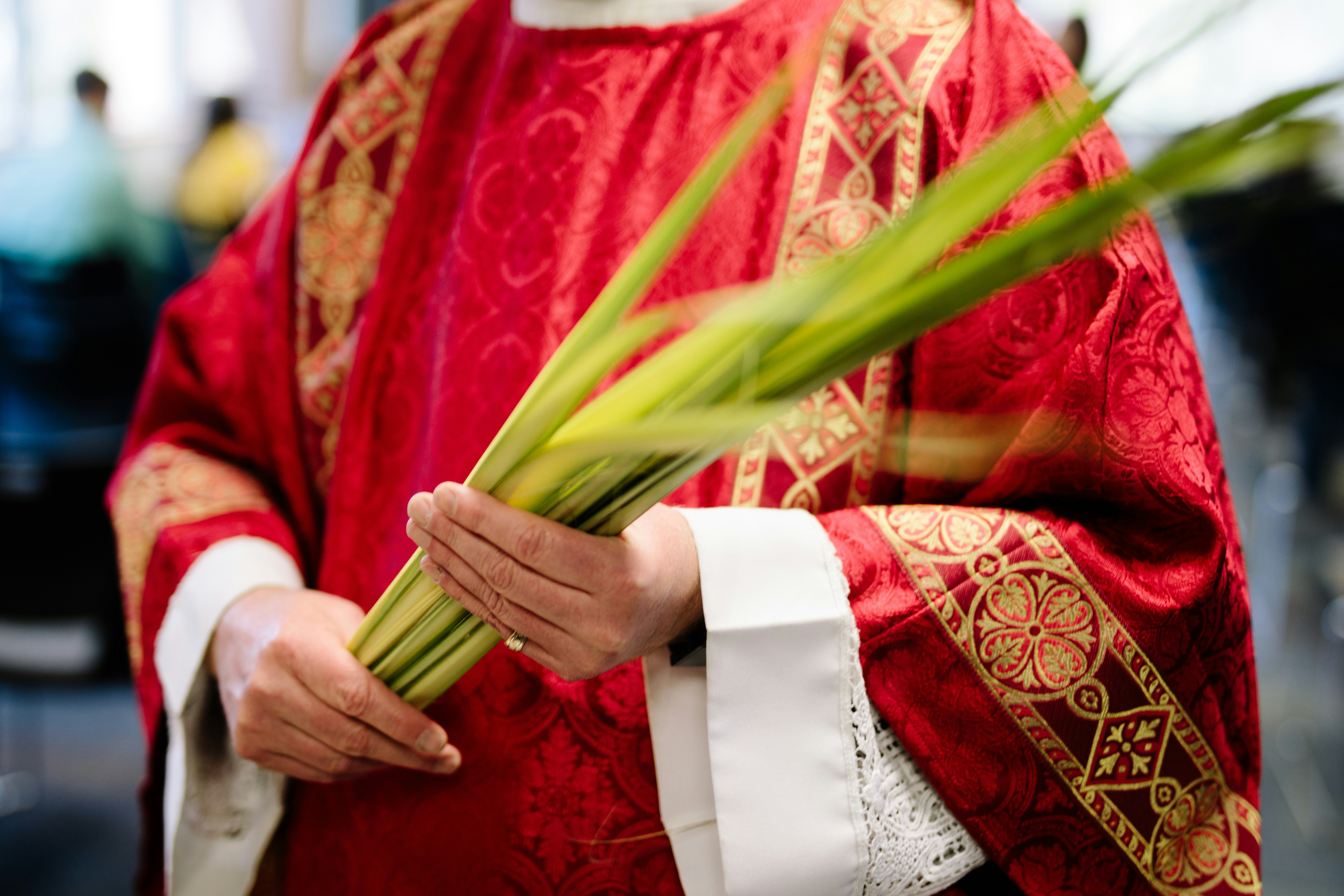

Now that Ash Wednesday is over and marks the beginning of Lent, Filipino families across the United States begin their sacred preparations forHoly Week, one of the most significant observances in the Filipino Catholic calendar. Known as Semana Santa, this holy period transforms Filipino-American households into spaces of deep reflection, traditional cooking, and communal prayer. Families are already planning how to honor this ancient tradition while navigating life in America. The preparation for Holy Week extends far beyond the seven days themselves, encompassing weeks of spiritual, culinary, and community planning that strengthen both faith and cultural identity.
Understanding Semana Santa in Filipino-American Communities
Semana Santa traditions in the U.S. have evolved to accommodate the unique challenges and opportunities of diaspora life. Unlike in the Philippines, where entire cities pause for Holy Week observances, Filipino families in America must work around school schedules, work commitments, and the reality that their neighbors may not share the same religious calendar. This adaptation has created a more intimate, family-centered approach to Holy Week that is often more meaningful than traditional celebrations.

Welcome to United Tribes
Where Filipino Culture Comes Alive
Join Your Tribe
Connect with your people
Discover Events
Watch parties & festivals
Find Filipino Businesses
Restaurants, markets & more
Earn Crown Credits
Get rewarded for engaging
Filipino-American families typically begin their preparations in early March, coordinating with extended family members who may live in different states. Technology plays a crucial role, with families using video calls to pray the rosary together and sharing photos of their traditional preparations. Many communities organize group activities, with Filipino Catholic organizations hosting special Lenten programs that help preserve the communal aspects of Filipino Catholic customs.
Planning Family Gatherings Across Distances
The dispersed nature of Filipino-American families requires extensive coordination for Holy Week observances. Many families plan their vacation days months to ensure they can participate in traditional activities together. Some travel hundreds of miles to gather at a designated family home. In contrast, others create rotating hosting schedules that allow different branches of the family to lead celebrations in different years.
Adapting to American Work Schedules
Unlike in the Philippines, where Good Friday and Black Saturday are national holidays, Filipino families in the U.S. must navigate the U.S. work calendar. Many take personal days or vacation time during Holy Week, while others adjust their observances to weekends. Some employers with significant Filipino workforces have begun recognizing these important dates, allowing for more traditional observances.
Traditional Lenten Food Preparations
Filipino Lenten food traditions are central to Holy Week preparations, with families spending weeks planning, shopping, and preparing the special dishes that mark this sacred season. These culinary traditions serve both practical and spiritual purposes, providing nourishment during fasting periods while connecting families to their cultural heritage through ancestral recipes passed down through generations.
The preparation of Lenten foods becomes a family affair, with multiple generations working together in kitchens that fill with the aromas of coconut milk, vegetables, and traditional spices. Many Filipino-American families make pilgrimages to Filipino grocery stores, sometimes driving for hours to source authentic ingredients such as fresh coconuts, specific bean varieties, and traditional seasonings that are not available in mainstream American supermarkets.
Essential Lenten Dishes and Their Significance
Ginataang Gulay stands as perhaps the most important Holy Week dish, featuring an array of vegetables cooked in rich coconut milk. Families often prepare large batches, knowing that this hearty stew will sustain them through multiple days of fasting and prayer. The dish varies by region and family tradition, with some including kangkong (water spinach), others featuring kalabasa (squash), and many incorporating traditional combinations passed down through family lines.
Binignit is another cornerstone of Lenten cooking, a sweet soup that combines various root vegetables, beans, and coconut milk. The preparation of binignit often involves the entire family, with children helping to peel sweet potatoes. At the same time, grandparents share stories about how the dish sustained their own families during difficult times in the Philippines.
Modern Adaptations in American Kitchens
Filipino families have creatively adapted their traditional recipes to work with American ingredients and kitchen equipment. Many substitute hard-to-find vegetables with locally available alternatives, while others have learned to use slow cookers and instant pots to prepare traditional dishes more efficiently around busy work schedules. Despite these adaptations, families remain committed to preserving the essential flavors and spiritual significance of their Lenten meals.
Filipino comfort food takes on special meaning during Holy Week, as families gather around tables laden with dishes that connect them to their ancestral homeland while nourishing them in their American present.
Visita Iglesia: Seven Churches Tradition in America
Visita Iglesia in America presents unique logistical challenges that Filipino families approach with creativity and determination. The traditional practice of visiting seven churches on Maundy Thursday requires extensive planning in American cities where Catholic churches may be spread across vast metropolitan areas, unlike the walking distances common in Philippine towns.
Filipino families often spend weeks mapping out their Visita Iglesia routes, using GPS technology to plan efficient paths that allow them to complete all seven visits while accounting for American traffic patterns and church schedules. Many families make this journey an annual pilgrimage, visiting the same seven churches each year and building relationships with diverse Catholic communities along the way.
Building Interfaith Community Connections
The practice of Visita Iglesia often introduces Filipino families to different Catholic traditions within their American communities. They may visit Irish, Italian, Mexican, or Vietnamese Catholic churches, experiencing the beautiful diversity of American Catholicism while maintaining their own Filipino traditions. These visits often lead to lasting relationships and increased involvement in broader Catholic community activities.
Adapting to American Church Schedules
American Catholic churches may have different Holy Week schedules from what Filipino families expect, requiring flexibility in timing and planning. Some churches may be closed during traditional Visita Iglesia hours, while others may be hosting special services that enhance or complicate the visiting experience. Filipino families have learned to call ahead, check church websites, and sometimes adjust their traditional timing to accommodate American religious schedules.
Preserving Sacred Traditions
Holy Week preparations strengthen family bonds, preserve cultural heritage, and create lasting memories for American-born Filipino children who will someday pass these adapted traditions to their own families. The careful balance between authenticity and adaptation ensures that Filipino Catholic customs remain vibrant and relevant within the diverse landscape of American religious life, contributing to the rich tapestry of American Catholic tradition while maintaining a distinctly Filipino spiritual identity.
Visit United Tribes today to learn more about Filipino culture and community celebrations that connect diaspora families to their heritage while building new traditions in their American homeland.


