
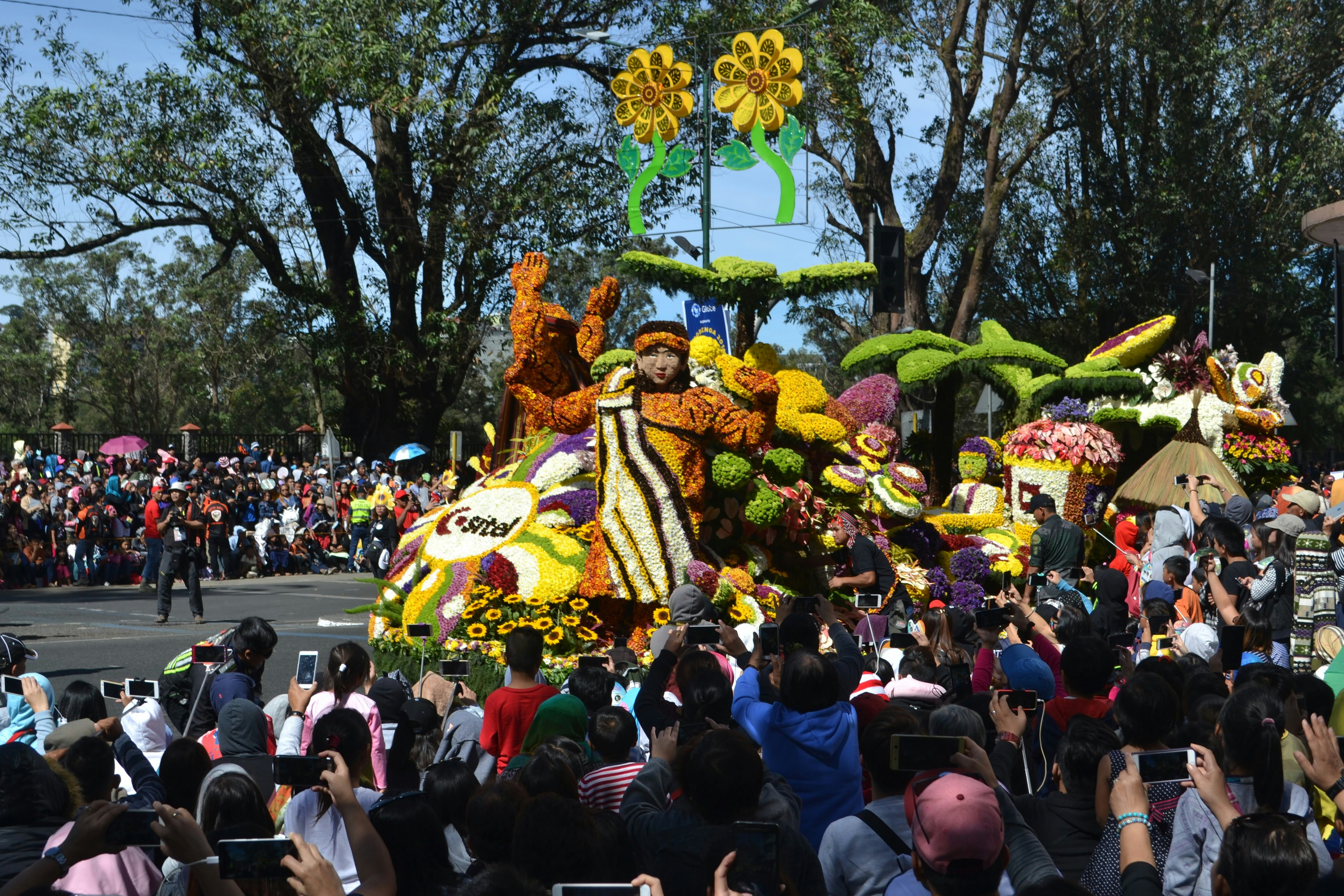

Spring arrives in the United States with a burst of color and cultural pride as Filipino-American communities across the nation organize vibrant celebrations inspired by the Philippines' beloved Panagbenga Festival. These Filipino spring festivals and events bring the spirit of Baguio's famous flower festival to American soil, creating meaningful connections between generations while showcasing the beauty of Filipino traditions to diverse audiences.

Welcome to United Tribes
Where Filipino Culture Comes Alive
Join Your Tribe
Connect with your people
Discover Events
Watch parties & festivals
Find Filipino Businesses
Restaurants, markets & more
Earn Crown Credits
Get rewarded for engaging
From coast to coast, these community-driven celebrations transform parks, cultural centers, and city streets into blooming showcases of Filipino heritage. The festivals typically run from March through April, coinciding with both the blooming season in the Philippines and the arrival of spring in America, making them perfect opportunities for families to gather and celebrate their shared cultural identity.
The Roots of Panagbenga Tradition in America
The original Panagbenga Festival, which means "time of blooming" in Kankanaey, has inspired Filipino communities worldwide to create their own versions that honor both the original tradition and their new home environments. Filipino-American community events often incorporate local flowers and seasonal elements while maintaining the core spirit of celebration, unity, and cultural pride that defines the original festival.
These American adaptations serve as powerful tools for cultural preservation, allowing Filipino families to pass down traditions to younger generations who may have never experienced the original festival in Baguio. The celebrations become bridges between the homeland and the diaspora, creating spaces where Filipino identity can flourish in multicultural American settings.
Community organizers often spend months planning these events, coordinating with local Filipino organizations, churches, and cultural groups to ensure authentic representation and to make the festivals accessible to both Filipino and non-Filipino attendees. The result is a beautiful fusion of traditional Filipino elements with American organizational structures and community engagement practices.
Spectacular Parades and Float Displays
The heart of these Filipino cultural parades lies in the elaborate float displays that rival their Baguio counterparts in creativity and cultural significance. Filipino-American communities dedicate countless volunteer hours to constructing floats adorned with both traditional Philippine flowers and locally sourced American blooms, creating unique hybrid displays that represent their bicultural experience.
Traditional Float Themes
Parade floats often showcase iconic Filipino symbols, including the sampaguita, the national flower, alongside roses, chrysanthemums, and other flowers that bloom abundantly in various American regions. Popular themes include depictions of Filipino folk tales, historical figures, and regional traditions from different provinces, allowing communities to represent the diversity within Filipino culture itself.
Modern Adaptations
Contemporary floats frequently incorporate LED lighting, sound systems playing traditional Filipino music, and interactive elements that engage spectators. Some communities create floats that tell stories of Filipino immigration to America, celebrating both the journey from the Philippines and the successful integration into American society.
The parade participants range from young children in traditional Filipino costumes to elderly community members who remember the original Panagbenga celebrations in the Philippines.
Traditional Dance Performances and Cultural Showcases
Filipino flower traditions come alive through spectacular dance performances that form the centerpiece of these spring celebrations. Traditional Filipino dances such as the Tinikling, Singkil, and various regional folk dances are performed by local Filipino dance troupes, often accompanied by live musicians playing traditional instruments.
Youth Dance Groups
Many celebrations feature youth dance groups that have been practicing traditional Filipino choreography throughout the year. These performances serve dual purposes: preserving cultural traditions and fostering pride in their heritage among young Filipino-Americans. The dancers often wear elaborate traditional costumes adorned with floral motifs that echo the festival's blooming theme.
Adult Cultural Performances
Adult performers frequently showcase more complex traditional dances and may include historical presentations about different regions of the Philippines. Some celebrations feature fashion shows displaying traditional Filipino clothing, from elegant terno dresses to vibrant barong tagalog shirts, often incorporating fresh flowers into the costume designs.
The performances create educational opportunities for non-Filipino attendees to learn about Philippine history, regional diversity, and the significance of various cultural symbols. Many festivals include cultural information booths and interactive demonstrations where visitors can try traditional crafts or learn basic Filipino phrases.
Food Festivals and Culinary Traditions
No Filipino celebration would be complete without an abundant feast, and these spring festivals showcase the incredible diversity of Filipino cuisine. Food vendors and community cooks prepare traditional dishes that complement the spring theme, often incorporating seasonal ingredients and flower-based presentations that align with the festival's blooming motif.
Traditional Spring Dishes
Popular festival foods include pancit (noodles symbolizing long life), lumpia (spring rolls), and various rice dishes prepared with colorful ingredients that mirror the vibrant flower displays. Many vendors offer Filipino comfort food, creating nostalgic connections for Filipino attendees while introducing new flavors to curious visitors.
Fusion Celebrations
Some communities create fusion dishes that combine Filipino flavors with locally available American ingredients, representing the adaptive nature of Filipino-American culture. These innovative approaches to traditional recipes demonstrate how cultural traditions evolve and thrive in new environments while maintaining their essential character.
The food festivals often feature cooking demonstrations, recipe sharing sessions, and opportunities for community members to learn traditional cooking techniques from experienced Filipino cooks. These culinary exchanges strengthen community bonds and ensure that food traditions continue to be passed down from generation to generation.
Community Building and Cultural Preservation
These spring celebrations function as powerful community-building events that extend far beyond the festival days themselves. Throughout the planning and execution phases, Filipino-Americans work together across generational, regional, and socioeconomic lines to create events that represent their shared cultural identity while celebrating their individual contributions to American society.
Year-Round Community Engagement
The festivals often serve as catalysts for year-round community activities, including regular cultural classes, business networking events, and social gatherings that maintain the connections forged during the spring celebrations. Many communities use these events to strengthen their Filipino-American business networks and support local entrepreneurs.
Educational Outreach
Community leaders frequently use these celebrations as platforms for educational outreach, partnering with local schools, libraries, and cultural institutions to share Filipino culture with broader audiences. These partnerships help combat stereotypes and build cross-cultural understanding within diverse American communities.
The success of these events demonstrates how bringing Filipino fiestas to the US and adapting them there creates opportunities for cultural exchange while preserving important traditions. The festivals become annual traditions that families eagerly anticipate and that welcome newcomers into established Filipino-American communities.
Blooming Traditions in American Soil
Filipino-American communities have successfully transformed the beloved Panagbenga tradition into vibrant spring celebrations that honor their heritage while embracing their American home. These festivals create powerful opportunities for cultural preservation, community building, and cross-cultural education that benefit both Filipino-Americans and their broader communities.
Visit United Tribes today to learn more about Filipino culture and community celebrations happening in your area.


