The Largest Guatemalan Business Directory in the US
Where Dreams Thrive and Connections Grow.
The Maya civilization originated in what is now Guatemala, and that ancestry still shapes daily life for millions of people. Around half the population identifies as Indigenous Maya and speaks one of 22 recognized Maya languages alongside Spanish. In the United States, large Guatemalan communities have settled in Los Angeles, Houston, and the New York metro area, carrying Guatemalan food, Guatemalan traditions, and textile arts across borders.
Community at a Glance
Fast facts about the Guatemalan community in the United States

Diaspora
Concentrated in Los Angeles, Houston, New York, and Chicago

Spanish
plus 22 recognized Maya languages, including K'iche' and Mam

Semana Santa
Día de los Muertos, Independence Day (September 15)

Roman Catholicism
Maya spirituality, and syncretic blends of both

Growing Evangelical Protestant communities
especially in highland regions

Ancient Maya civilization
with major centers at Tikal and Quiriguá
Key Definitions
Quick guide to terms you'll hear in the Guatemalan community

What is Semana Santa in Guatemala?
Guatemala's Holy Week features elaborate alfombras, carpets of colored sawdust and flowers laid on streets for processions in Antigua Guatemala.

What are the 22 Maya languages spoken in Guatemala?
These are distinct Indigenous languages, including K'iche', Kaqchikel, Mam, and Q'eqchi', recognized officially alongside Spanish since the 1996 peace accords.

What is a huipil?
A hand-woven blouse worn by Maya women, with each village's pattern, color, and iconography identifying the wearer's specific community of origin.
Cultural Heritage
Explore the traditions, arts, and history that define this community
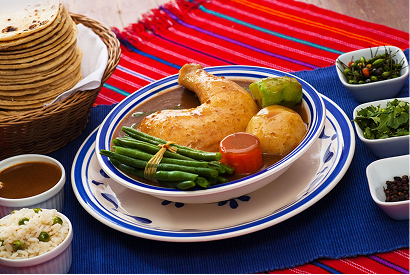
Cuisine
Guatemalan food builds on corn, black beans, chiles, and pepián, a pre-Columbian seed-based sauce.
- • Pepián, a thick sauce of roasted squash seeds and dried chiles, is considered Guatemala's national dish.
- • Kak'ik is a traditional Q'eqchi' turkey soup seasoned with achiote, tomato, and herbs, served ceremonially.
- • Tamales colorados, wrapped in banana leaves and filled with pork and recado sauce, are central to celebrations.
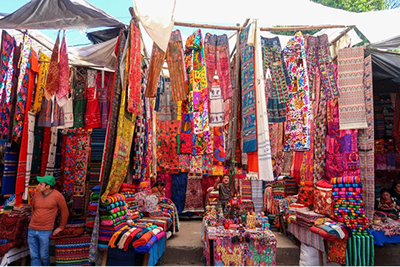
Arts & Music
Maya weaving and marimba music are the two most internationally recognized art forms from Guatemalan culture.
- • The marimba, declared Guatemala's national instrument, anchors everything from street celebrations to formal concert performances.
- • Backstrap-loom weaving produces jaspe and brocade textiles whose geometric patterns encode Maya cosmological symbols.
- • Chichicastenango's market, held on Thursdays and Sundays, is one of the largest Indigenous craft markets in the Americas.
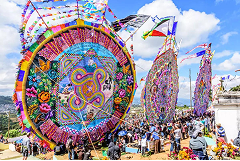
Celebrations & Traditions
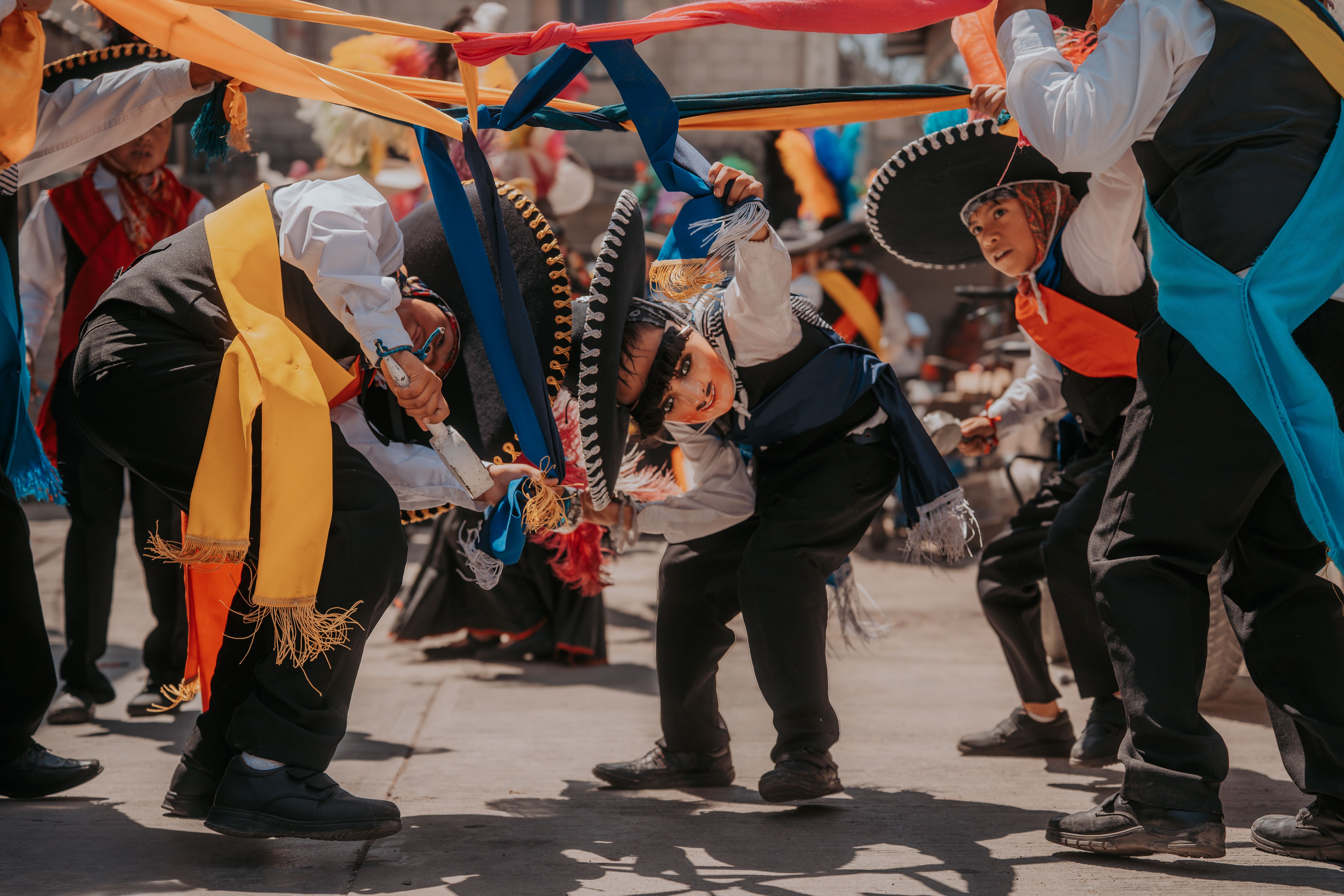
Guatemala traditions fill the calendar with events rooted in both Catholic feast days and Maya ceremonial cycles.
- • On November 1, the town of Santiago Sacatepéquez flies giant kites up to 20 meters wide over the cemetery.
- • During Semana Santa in Antigua, brotherhoods called cucuruchos carry massive floats through carpet-lined colonial streets.
- • The Deer Dance, or Baile del Venado, reenacts a pre-Columbian hunt and is performed at patron saint festivals.
 Featured Businesses


 Featured Events
Long Beach Museum of Art
Traditional Spanish Tapas - Co...
Spanish Conversation Circles
Frequently Asked Questions
Get quick answers to common questions—about joining, listing your business, attending events, using the app, or navigating the Pulse. We’re here to help you connect with ease.
Business Directory
Guatemala Business Listings








Related Blog Topics