
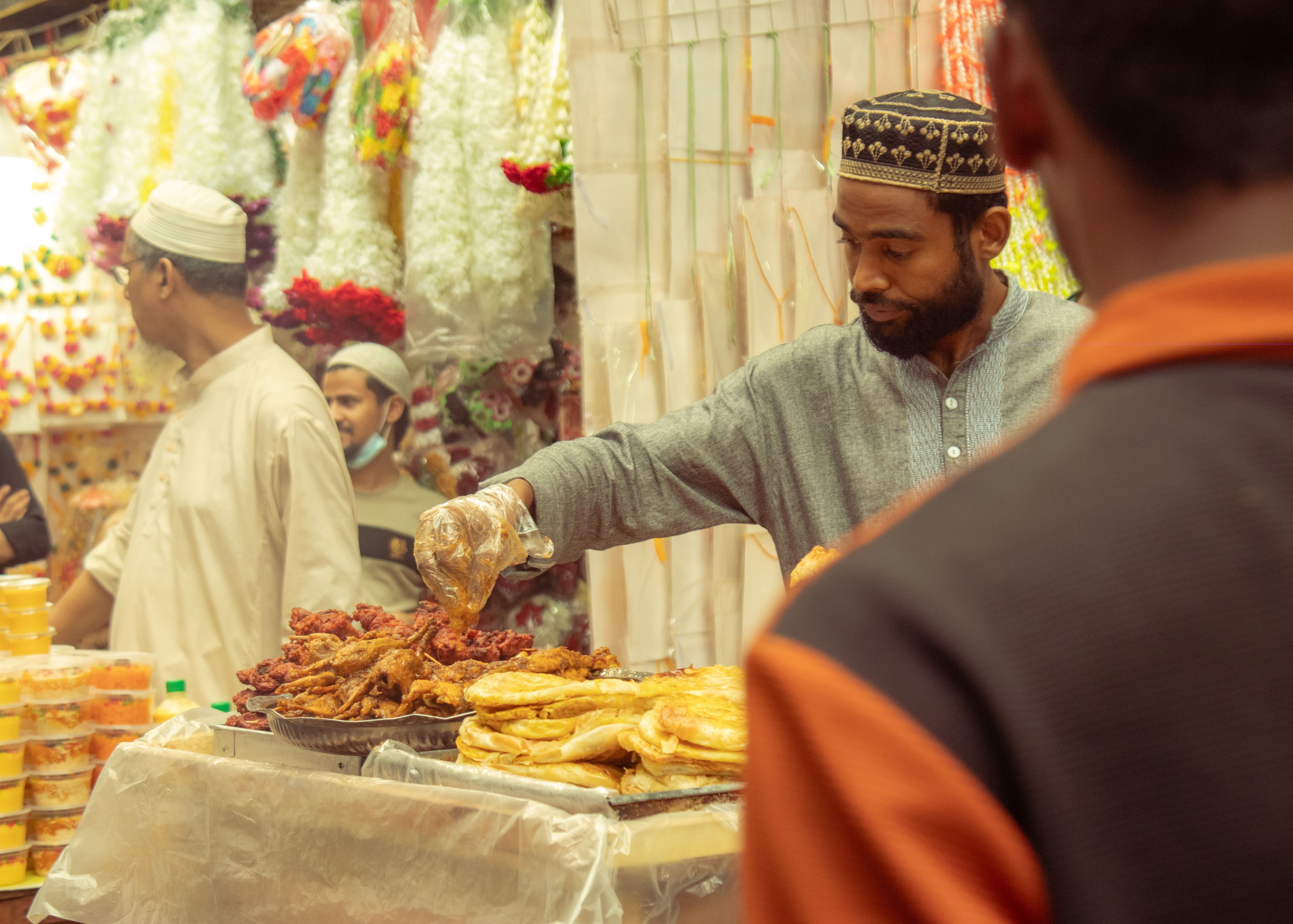

Food as a Language of Love and Welcome
In Somali culture, the table is never just a place to eat. It is a space where relationships are built, respect is expressed, and community is quietly reinforced with every shared dish. Somali hospitality is a deeply held value woven into everyday life. When a guest arrives at a Somali home, whether expected or not, they are welcomed with warmth, offered a seat, and almost immediately presented with food or tea. Turning someone away hungry is considered not just impolite but a genuine failure of one's character and duty.

Welcome to United Tribes
Where Somalian Culture Comes Alive
Join Your Tribe
Connect with your people
Discover Events
Watch parties & festivals
Find Somalian Businesses
Restaurants, markets & more
Earn Crown Credits
Get rewarded for engaging
This culture of generosity shapes how Somali families organize their homes, their routines, and their relationships. Understanding Somali food culture means understanding something essential about what community means to Somali people, in Somalia and in diaspora life across the United States.
The Guest Is Always Welcome
The Somali word *marti* means guest, and in Somali tradition, the marti holds an almost sacred status. There is a saying embedded in Somali cultural memory: a guest brings blessings into the home. This belief translates directly into action, clearing the best seat, preparing fresh food, and ensuring no one leaves without feeling honored.
Somali hospitality customs dictate that a host never lets a guest eat alone. Meals are communal, often served on a large shared platter from which everyone eats together. This practice reinforces equality and togetherness at the most fundamental level. Elders are served first as a sign of respect, and children observe these rituals from a young age, absorbing the values they carry forward into adulthood.
The arrival of a guest is also frequently accompanied by the preparation of shaah, a spiced Somali tea brewed with cardamom, cloves, cinnamon, and ginger, often sweetened and served with milk. Shaah is a beverage that signals that you are welcome, that your presence matters, and that there is no rush for you to leave.
Gathering Around the Somali Table
Somali family meals are rarely quiet solo affairs. The traditional way of eating involves sitting together on the floor around a large communal platter, often lined with basmati rice or bariis iskukaris, a fragrant spiced rice dish cooked with tomatoes, onions, and a blend of warm spices that serves as the backbone of Somali celebrations and everyday dining alike.
Alongside rice, meals commonly feature:
- Hilib ari (goat meat) or hilib lo'aad (beef), slow-cooked and richly spiced
- Maraq — a deeply flavored meat or vegetable broth, often served as a starter
- Canjeero (also called injera in some East African contexts) — a spongy fermented flatbread used to scoop food and often eaten at breakfast with honey, butter, or beans
- Muufo — a cornmeal flatbread baked in a traditional clay oven, dense and satisfying
These dishes reflect a culinary tradition shaped by pastoral life, Indian Ocean trade routes, and centuries of cultural exchange with Arab, Persian, and South Asian communities — all visible in the warm spice blends and rice-centered meals that define Somali food culture.
Ramadan, Eid, and the Feast of Belonging
Religious observance plays a deeply meaningful role in how Somali traditions around food are expressed. During the holy month of Ramadan, the rhythm of the household transforms entirely. Families wake before dawn for *suhoor* — a pre-fast meal — and gather again at sunset for *iftar*, breaking the fast together with dates, shaah, and a spread of home-cooked dishes.
Eid celebrations are among the most significant food moments in the Somali calendar. Families prepare elaborate meals, neighbors exchange dishes, and community gatherings bring together dozens of people around shared tables. The generosity practiced daily becomes amplified into something joyful and communal on a larger scale. Building these kinds of celebrations into community life is something many diaspora communities prioritize as a way of keeping cultural identity alive.
Passing the Tradition to the Next Generation
For Somali families in diaspora communities across the United States, in cities like Minneapolis, Columbus, Seattle, and San Diego, maintaining food traditions is an act of cultural continuity. Grandmothers teach grandchildren how to layer spices into bariis. Mothers walk daughters through the slow patience required to make a proper maraq. These kitchen moments are where language, memory, and identity transfer most naturally.
The challenge of bridging generations while preserving cultural heritage through family traditions is one that many Somali-American families navigate with intention. Food is often the anchor — the sensory thread that connects a child born in Minnesota to a grandmother's kitchen in Mogadishu or Hargeisa.
Somali cultural festivals and community gatherings in the U.S. also create space to share these traditions publicly. Community festivals serve as powerful vehicles for cultural visibility, giving Somali families opportunities to share their cuisine and customs with broader audiences.
The Deeper Meaning of the Somali Meal
What makes Somali food culture extraordinary is the intention behind the meal. To feed someone is to say: you belong here. The communal platter, the spiced tea, the elder served first — each element carries meaning that no recipe alone can capture.
In diaspora life, these customs become even more significant. They are deliberate choices to remain connected, to honor ancestors, and to give the next generation something rooted and real to hold onto.
A Table Always Set for Community
The Somali table is a living tradition, one that speaks in spices, shared platters, and the warmth of a cup of shaah offered without hesitation. From the sacred role of the guest to the rhythms of Ramadan iftar and the generational knowledge passed through every family kitchen, Somali hospitality is a cultural practice that sustains identity and strengthens bonds across time and distance. These are not fading customs. In Somali-American communities across the United States, they are being actively chosen, recreated, and passed forward.
Somali restaurant owners, home cooks, and cultural entrepreneurs building businesses rooted in this tradition deserve a platform where their work is seen and celebrated — connect with their community and others like it on United Tribes, where culturally rooted businesses and stories find the visibility they deserve.


