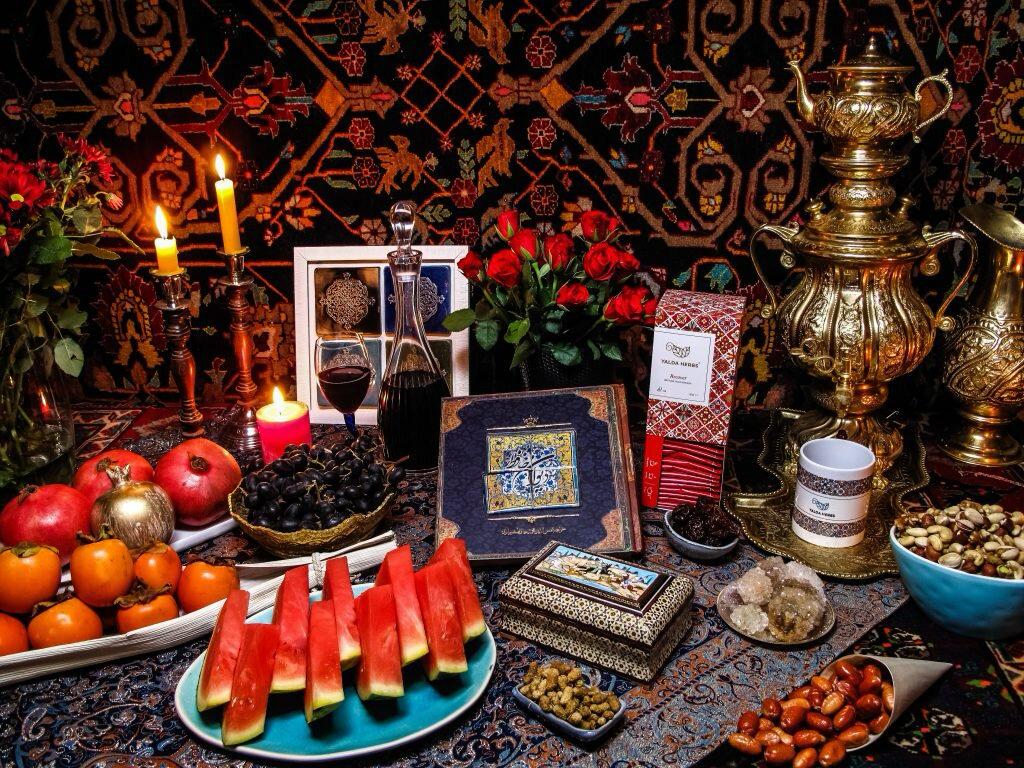

As the longest night of the year unfolds, Persians worldwide come together to celebrate Shab-e Yalda, a festival that has illuminated hearts and homes for millennia. This ancient tradition, observed on the winter solstice, is a profound tribute to the cycles of nature, the wisdom of ancestors, and the enduring light within us all.
The Historical Roots of Yalda Night

Welcome to United Tribes
Where Persian Culture Comes Alive
Join Your Tribe
Connect with your people
Discover Events
Watch parties & festivals
Find Persian Businesses
Restaurants, markets & more
Earn Crown Credits
Get rewarded for engaging
Shab-e Yalda, meaning “Night of Birth,” traces its origins to ancient Persia and the Zoroastrian religion, where the solstice marked the symbolic rebirth of Mithra, the deity of light, truth, and friendship. In the face of the year’s longest night, Persians celebrated the triumph of light over darkness, both literally and metaphorically.
This festival dates back over 3,000 years, reflecting the deep connection ancient Persians had with the natural world. The solstice represented a turning point, where longer days signified hope, renewal, and the approach of spring. It was a time to honor the cycles of life and nature while cherishing family, community, and culture.
With the advent of Islam, Yalda retained its essence, blending with new cultural and spiritual elements. Today, it is a celebration that bridges ancient wisdom and modern life, uniting generations in joy and gratitude.
Traditions That Light Up the Night
Shab-e Yalda is much more than a historical relic; it is a living, breathing celebration of family, food, and poetry. Each tradition reflects a symbolic connection to light, warmth, and the promise of brighter days.
1. The Feast of Yalda
At the heart of Yalda is a lavish table known as “sofreh-e Yalda”, adorned with foods that symbolize abundance and resilience:
-
Pomegranates: Representing the glow of dawn and the circle of life with their vibrant red seeds.
-
Watermelon: Eaten to ward off winter illnesses and remind us of summer’s warmth.
-
Nuts and Dried Fruits: Symbolizing prosperity and the endurance of nature.
This shared feast is more than sustenance; it is a celebration of gratitude for the year’s blessings and a hopeful embrace of the coming days.
2. Poetry and Storytelling
The poetry of Hafez, Persia’s most celebrated poet, takes center stage during Yalda. Families engage in fal-e Hafez, opening a book of his poems at random and interpreting the verses as guidance or omens for the coming year.
Elders share tales of ancient heroes, weaving stories that connect younger generations to Persia’s rich cultural heritage. These narratives, passed down through the ages, reflect timeless values of courage, resilience, and hope.
3. Light as a Symbol
Throughout the night, candles and fires are lit, embodying the triumph of light over darkness. This act is deeply symbolic, encouraging participants to nurture their inner light and spread warmth and kindness to others.
The Deeper Meaning of Yalda Night
Beyond its traditions, Shab-e Yalda carries a universal message of hope, renewal, and unity. The festival encourages us to find light in our darkest moments, to cherish the bonds of family and community, and to draw strength from the cycles of nature.
In Persian culture, Yalda represents a turning point—a reminder that even the longest night gives way to dawn. It invites reflection on life’s challenges and triumphs, fostering a sense of gratitude and optimism for the future.
Yalda’s Relevance in Modern Times