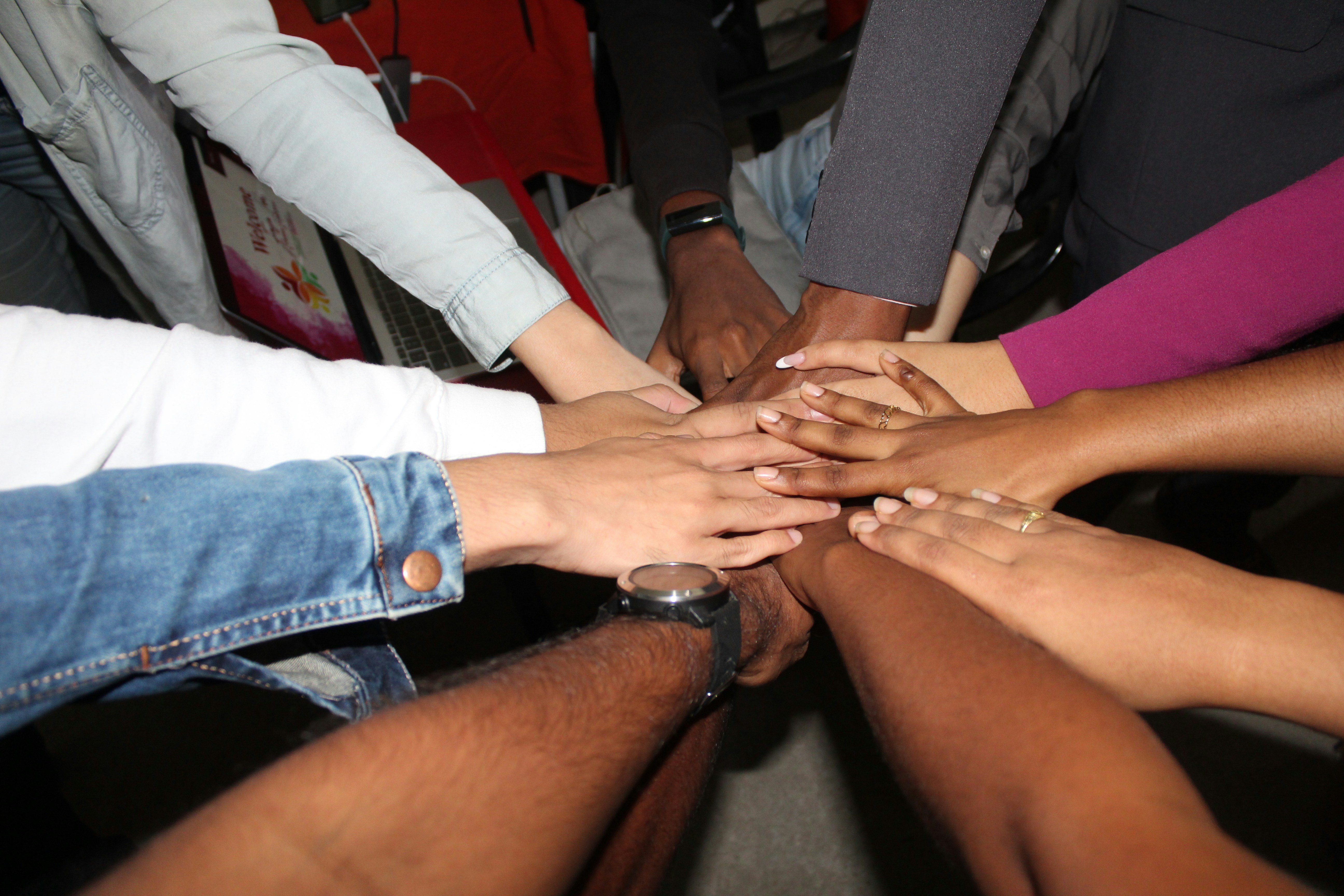


As we move through 2026, the Persian-Indian cultural exchange has blossomed into one of the most vibrant examples of multicultural harmony in America. These two ancient civilizations, connected by centuries of historical ties, continue to find common ground in their modern diaspora communities across the United States. From coast to coast, Persian and Indian families are discovering remarkable parallels in their traditions, creating new opportunities for cultural celebration and community building.
Historical Connections Between Persian and Indian Cultures
The relationship between Persian and Indian civilizations extends far beyond contemporary American communities. For over a thousand years, these cultures have influenced each other through trade routes, artistic exchange, and shared philosophical traditions. Persian poetry and literature found deep roots in Indian courts, while Indian mathematical and astronomical knowledge enriched Persian scholarly traditions.
Ancient Trade and Cultural Routes
The Silk Road served as more than a commercial pathway—it became a cultural bridge connecting Persian and Indian intellectual traditions. Persian merchants established communities throughout the Indian subcontinent, bringing with them architectural styles, culinary techniques, and artistic sensibilities that became permanently woven into Indian culture. Similarly, Indian scholars, musicians, and artisans found patronage in Persian courts, creating a rich tapestry of shared cultural DNA.
Literary and Philosophical Exchanges
Persian poets like Hafez and Rumi gained devoted followings among Indian readers, while Indian philosophical concepts influenced Persian mystical traditions. This intellectual exchange laid the foundation for mutual respect and understanding that continues to resonate in modern diaspora communities. Contemporary cultural events often feature readings that blend Persian and Indian poetry, demonstrating how these ancient connections remain vibrant and relevant.
Shared Festival Traditions and Celebrations
One of the most visible manifestations of Persian-Indian cultural exchange appears in the calendar of shared celebrations. Both cultures place significant emphasis on seasonal transitions, light prevailing over darkness, and community gatherings during significant astronomical events.
Spring Celebrations and New Year Traditions
The Persian celebration of Nowruz shares striking similarities with Indian spring festivals, particularly in their emphasis on renewal, purification, and fresh beginnings. Both traditions involve elaborate food preparations, the cleaning and decoration of homes, and the gathering of extended families. In 2026, many communities have begun hosting combined Nowruz-Holi celebrations, where Persian sofreh spreads complement Indian rangoli designs, creating stunning visual displays that honor both traditions.
Persian families setting up their traditional haft-sin tables often find common ground with Indian families preparing for Ugadi or Gudi Padwa celebrations. The symbolic elements, representing hope, prosperity, and spiritual renewal, translate seamlessly across both cultures, making joint celebrations feel natural and authentic.
Light-Based Festivals and Winter Observances
The Persian tradition of Shabe Yalda resonates deeply with Indian families familiar with Diwali celebrations. Both festivals center on the triumph of light over darkness, the importance of family gatherings, and the preparation of special foods with symbolic meaning. In cities with significant Persian and Indian populations, combined winter festivals have become increasingly popular, featuring elements from both traditions.
These celebrations often incorporate Diwali home decorating traditions alongside Persian elements like pomegranates and candles, creating unique fusion celebrations that honor both heritages. The storytelling aspects of both traditions, such as recounting tales of good triumphing over evil, provide natural opportunities for cross-cultural education and appreciation.
Culinary Fusion and Food Traditions
Food is perhaps the most accessible bridge between the Persian and Indian communities. Both cultures share an appreciation for complex spice blends, aromatic rice dishes, and elaborate hospitality traditions centered on sharing meals with guests and community members.
Spice Traditions and Flavor Profiles
Persian and Indian cuisines share remarkable similarities in their approach to layering flavors and building complex spice profiles. Both traditions use saffron as a precious ingredient reserved for special occasions, incorporate dried fruits and nuts into savory dishes, and emphasize the balance of sweet, sour, and savory elements in a single meal.
The Persian tradition of mixing herbs with rice finds echoes in Indian biryanis and pulavs, while Indian techniques for tempering spices complement Persian approaches to building flavor bases. Many restaurants in diverse American cities now offer Persian-Indian fusion menus that highlight these natural compatibilities while respecting the integrity of both culinary traditions.
Hospitality and Food Sharing Customs
Both Persian and Indian cultures place extraordinary emphasis on hospitality, particularly around food sharing and guest treatment. The Persian concept of "taarof" aligns closely with Indian notions of "atithi devo bhava" (the guest is god), creating natural opportunities for communities to appreciate each other's approach to welcome and generosity.
Community potluck events featuring both Persian and Indian dishes have become increasingly popular in 2026, with families sharing traditional recipes and learning new cooking techniques. These gatherings often feature discussions about the cultural significance of specific dishes, seasonal ingredients, and family food traditions, strengthening bonds between communities through shared appreciation for culinary heritage.
Arts, Music, and Cultural Expression
The artistic traditions of Persian and Indian cultures offer rich opportunities for collaboration and mutual appreciation. Both traditions emphasize improvisation within structured frameworks, emotional expression through melody and rhythm, and the integration of spiritual themes into artistic practice.
Musical Traditions and Performance Collaborations
Persian classical music and Indian classical music share fundamental concepts, including modal structures, improvisation techniques, and intricate rhythmic patterns. Collaborative concerts featuring both Persian santur and Indian tabla, or Persian vocalists performing alongside Indian instrumentalists, have become increasingly sophisticated and popular throughout 2026.
The influence of Indian music and film culture in the US has created audiences familiar with complex musical traditions, making them more receptive to Persian musical expressions that share similar aesthetic values. Cross-cultural music workshops allow musicians from both traditions to explore common ground while maintaining the integrity of their respective classical systems.
Dance and Movement Traditions
Persian classical dance and Indian classical dance forms emphasize storytelling through movement, intricate hand gestures, and the integration of music and physical expression. Collaborative dance performances often feature alternating segments of Persian and Indian classical pieces, followed by fusion pieces that blend elements from both traditions.
Community dance classes that offer instruction in both Persian and Indian styles have attracted students from diverse backgrounds seeking to understand these rich movement traditions. These classes often include cultural context about the historical and spiritual significance of specific dances, creating educational opportunities that extend beyond physical instruction.
Future Directions for Cultural Exchange
Digital platforms enable virtual cultural events that connect Persian and Indian communities across geographical boundaries. At the same time, younger generations create new fusion traditions that honor their heritage while reflecting contemporary American experiences.
Technology and Virtual Cultural Events
Online platforms have revolutionized how Persian and Indian communities share cultural events and maintain connections to their heritage. Virtual cooking classes, language exchange sessions, and cultural workshops allow community members to participate in cross-cultural learning regardless of their location or schedule constraints.
Youth Engagement and Cultural Innovation
Younger community members are developing innovative approaches to cultural preservation and exchange that blend traditional elements with contemporary methods of expression. Persian-Indian fusion dance troupes, collaborative art projects, and multicultural student organizations demonstrate how cultural exchange can evolve while maintaining respect for traditional foundations.
Food festivals featuring Indian street food traditions alongside Persian specialties attract diverse audiences interested in authentic cultural experiences. These events often include educational components that explain the cultural significance of specific foods and preparation methods, creating opportunities for meaningful cultural exchange beyond mere consumption.
Building Bridges Through Heritage
The Persian-Indian cultural exchange demonstrates how shared values and historical connections can create meaningful bridges across cultural boundaries. Through collaborative festivals, business partnerships, artistic endeavors, and educational programs, these communities are building relationships that honor both their distinct heritage and their common ground.
As these partnerships continue developing, they offer valuable models for other multicultural communities seeking to build meaningful connections while maintaining cultural authenticity. The Persian and Indian communities have shown that celebrating shared traditions doesn't require abandoning what makes each culture unique; rather, it involves finding ways to honor both heritage and contemporary community building.
Visit United Tribes today to learn more about Persian and Indian cultures and community connections in your area.