
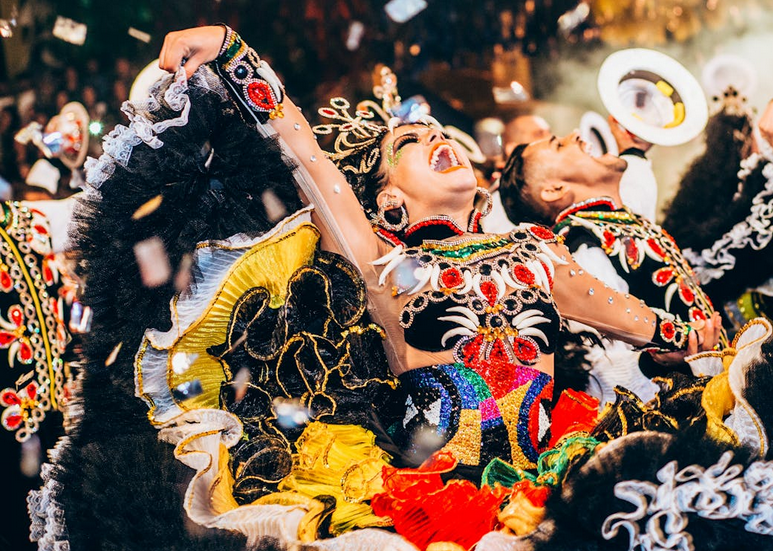

The ground pulses beneath your feet as drums thunder through the air. Around you, thousands of bodies move in unison, a sea of sequins and feathers catching the light as dancers twirl and sway.
This is Brazilian Carnival.
Every February, the streets of Brazil transform into stages where cultural stories unfold through music. The vibrant carnival celebration isn't just Brazil's most famous cultural export. It's a living, breathing testament to how joy can unite communities.
From Rio's world-famous spectacle to intimate street parties in small towns, each carnival moment lets one connect with Brazil's soul. In this guide, we'll cover everything from the historical foundations to practical tips for experiencing this extraordinary festival that combines centuries of tradition with modern expressions of joy.
The Rich History Behind Brazilian Carnival
Carnival in Brazil traces its origins to the 18th century, when Portuguese settlers introduced pre-Lenten festivities similar to European traditions. Following the arrival of enslaved Africans, these celebrations gradually incorporated African rhythms and Indigenous traditions.
By the early 20th century, samba emerged as the definitive sound of carnival, transforming community gatherings into the cohesive celebrations we recognize today.
What makes Carnival uniquely powerful is how it evolved from these multicultural roots into a celebration that unites people across social divides—a tradition that continues to strengthen communities through cultural expression.
What is the Rio Carnival? Understanding the Spectacular Centerpiece
Most people envision Carnival and picture Rio de Janeiro's extraordinary festivities. "What is Rio Carnival?" can be answered by describing the Sambadrome parades: the festival's crown jewel.
Here, elite samba schools compete in a dazzling display of choreography, music, and artistry before judges and thousands of spectators.
Each samba school represents a neighborhood and spends months preparing elaborate performances around a theme. With up to 4,000 participants per school, these parades feature:
-Magnificent floats depicting the school's theme
-Percussion sections (baterias) with hundreds of drummers
-Thousands of dancers in coordinated formations
-Flag bearers and masters of ceremony leading each school

Welcome to United Tribes
Where Brazilian Culture Comes Alive
Join Your Tribe
Connect with your people
Discover Events
Watch parties & festivals
Find Brazilian Businesses
Restaurants, markets & more
Earn Crown Credits
Get rewarded for engaging


